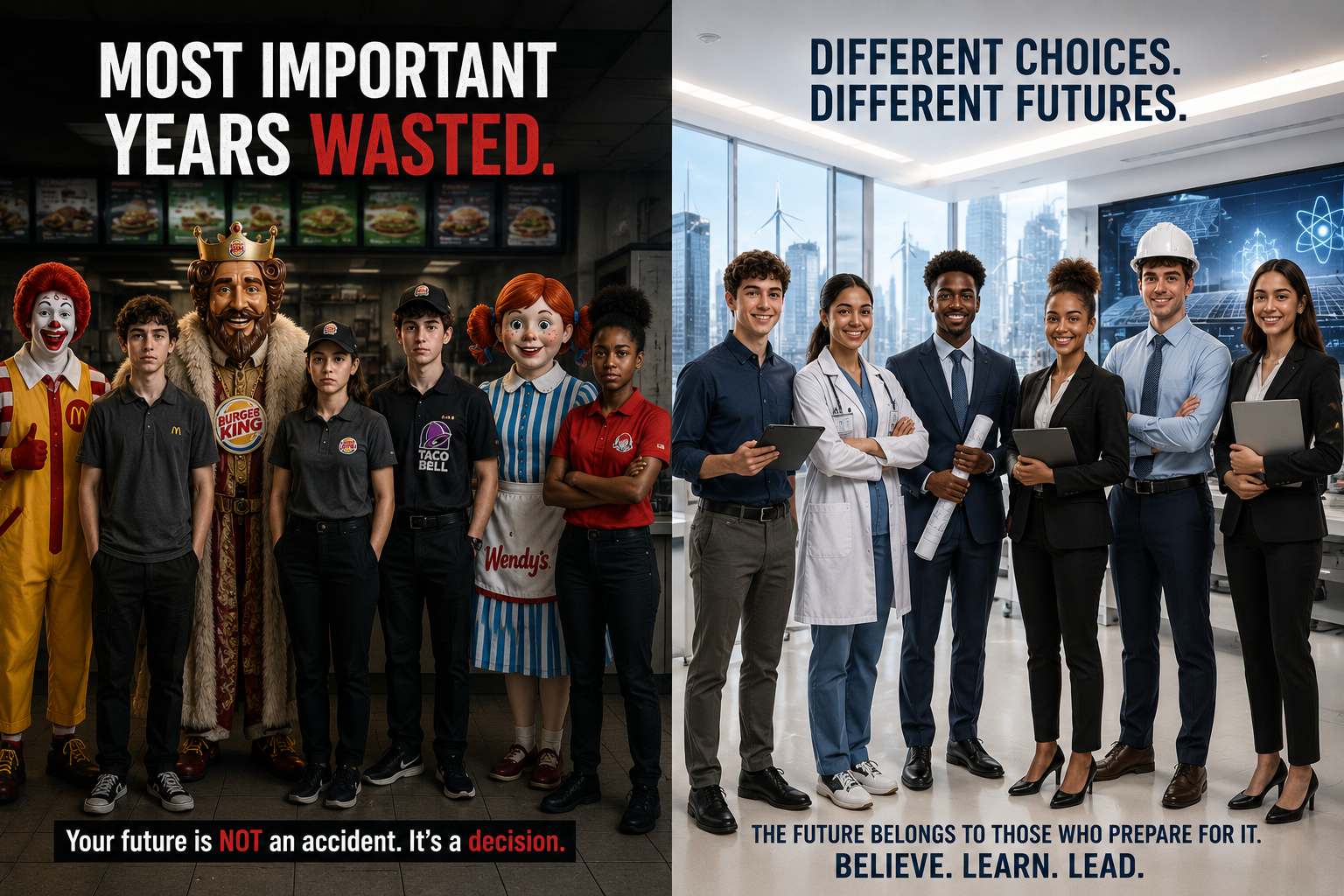
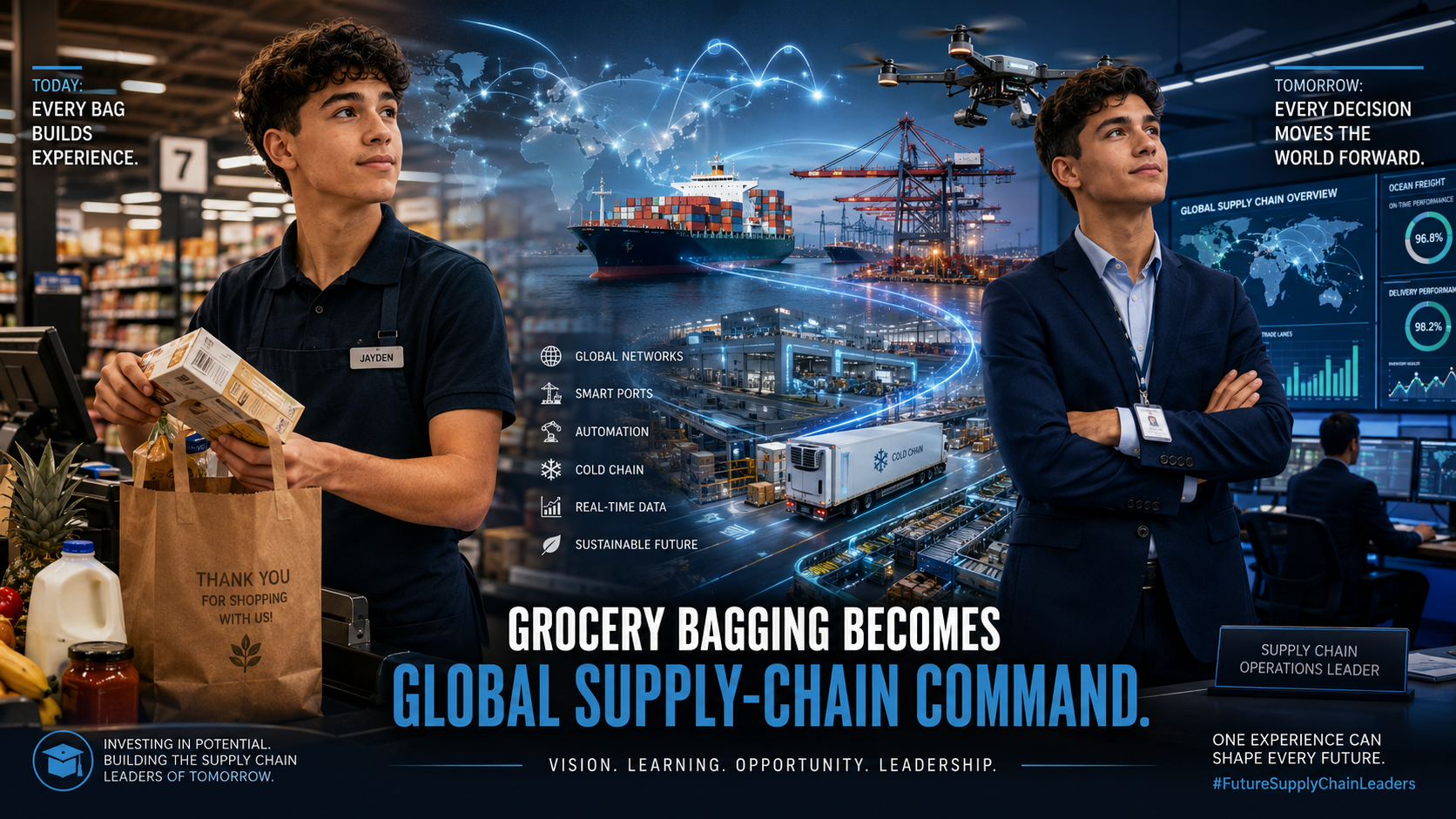
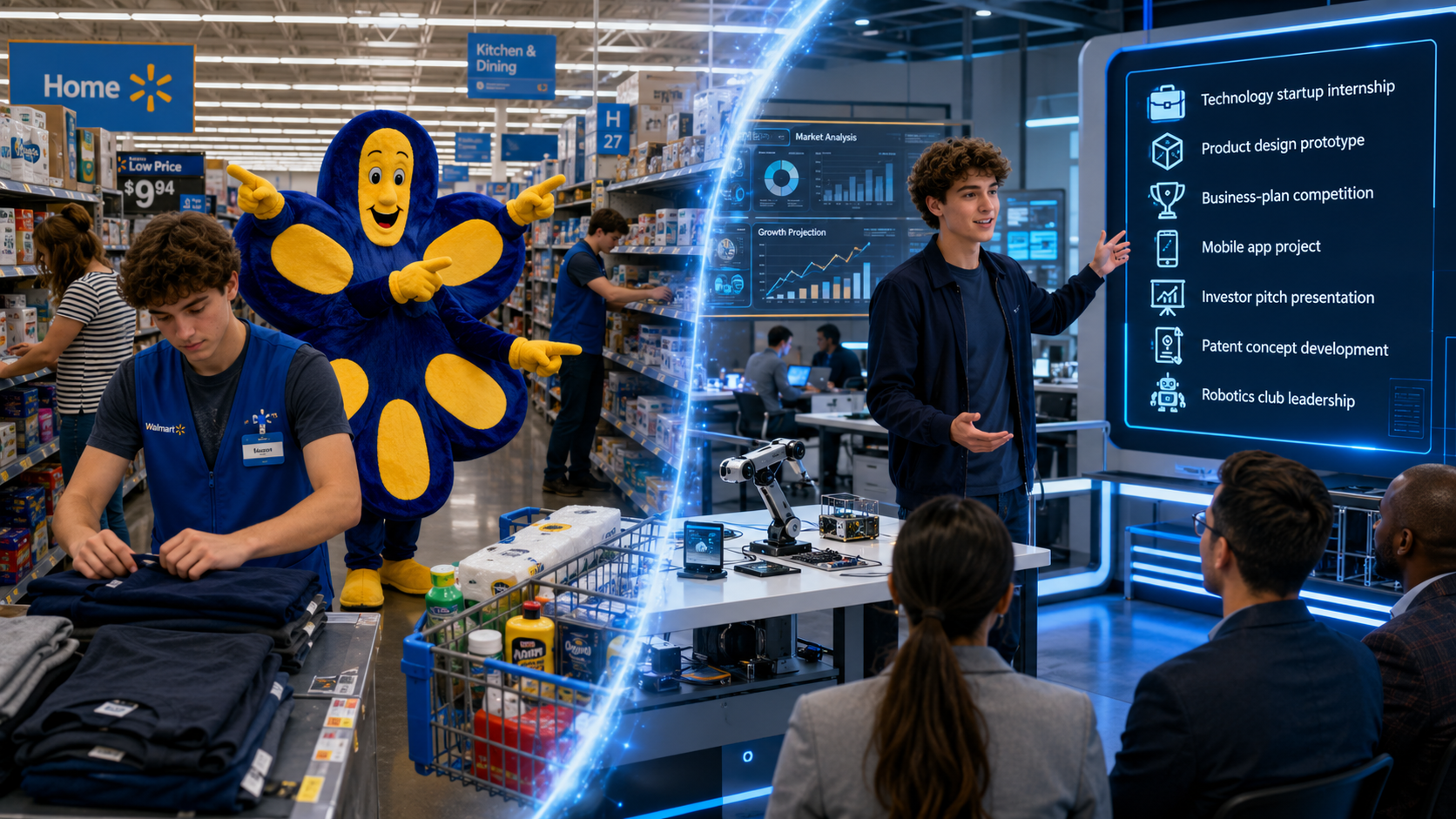


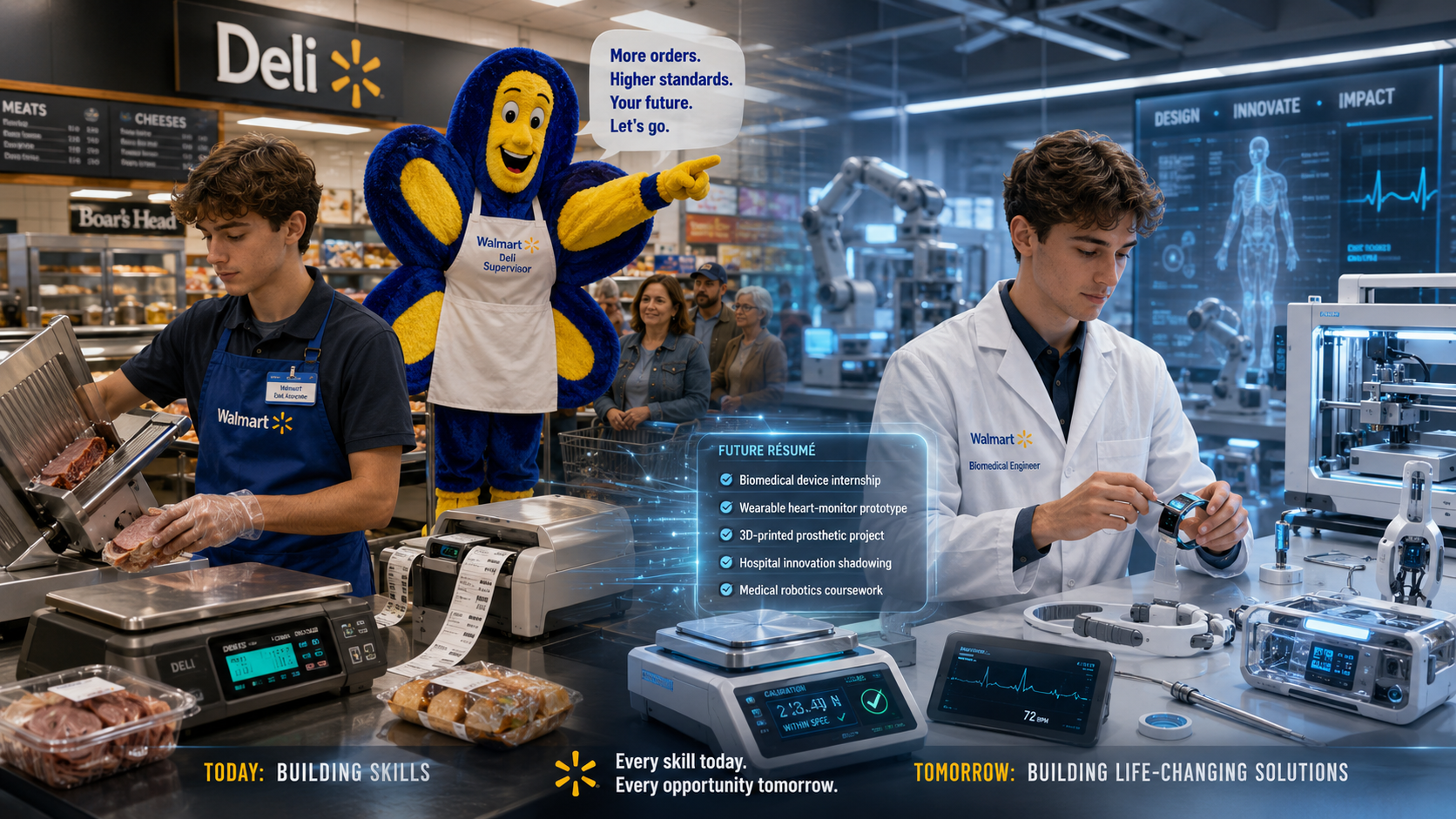
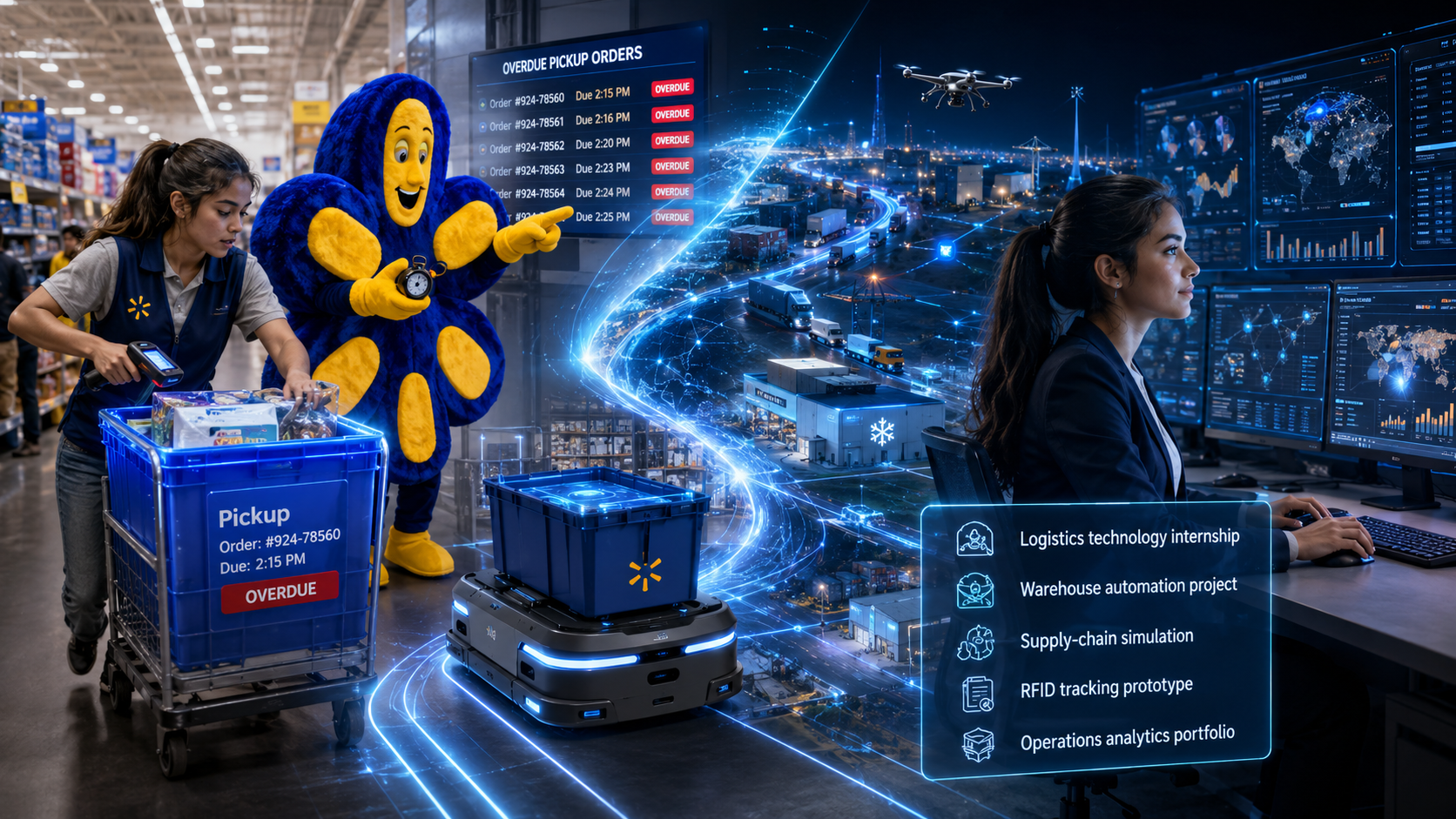
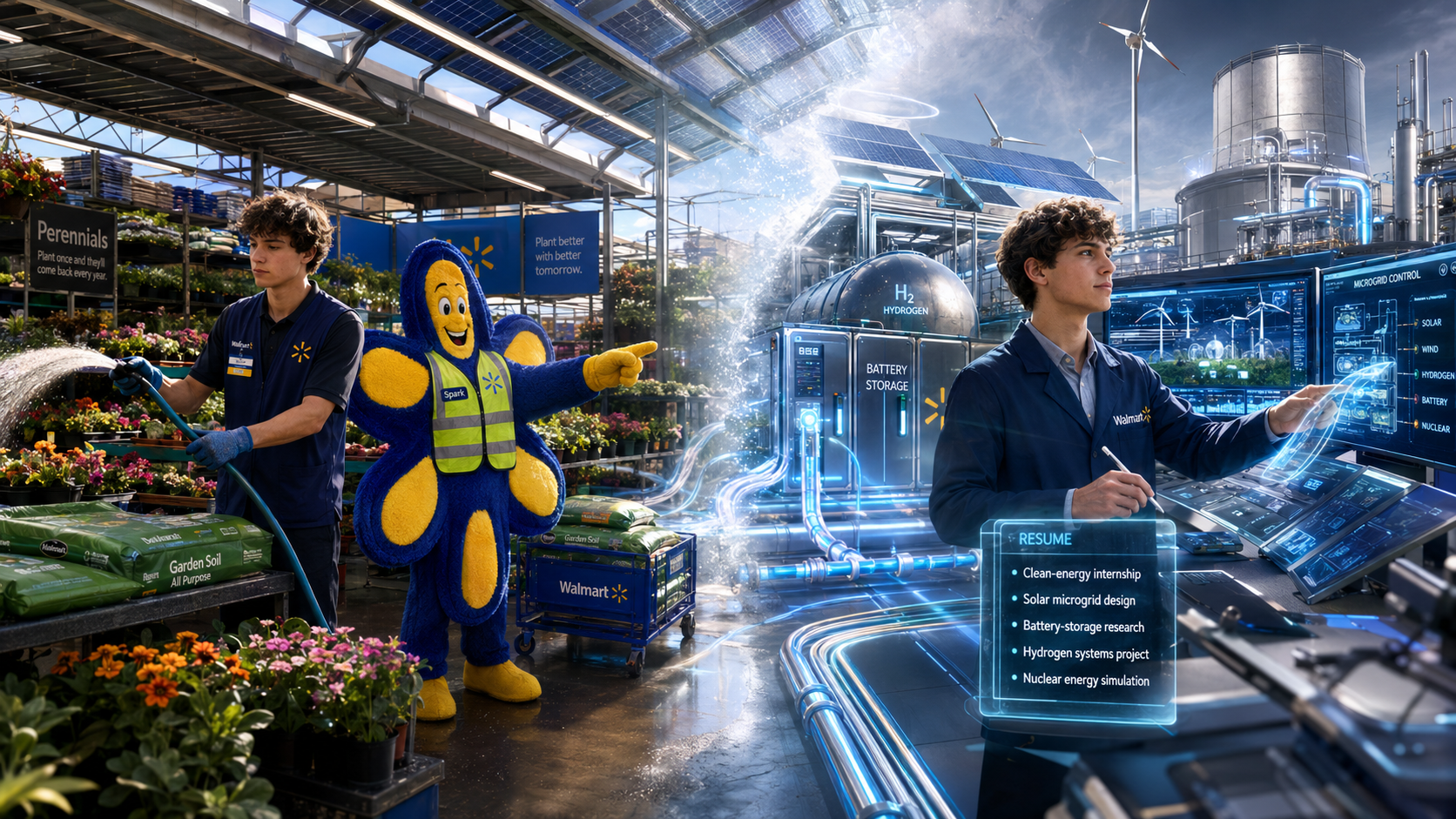

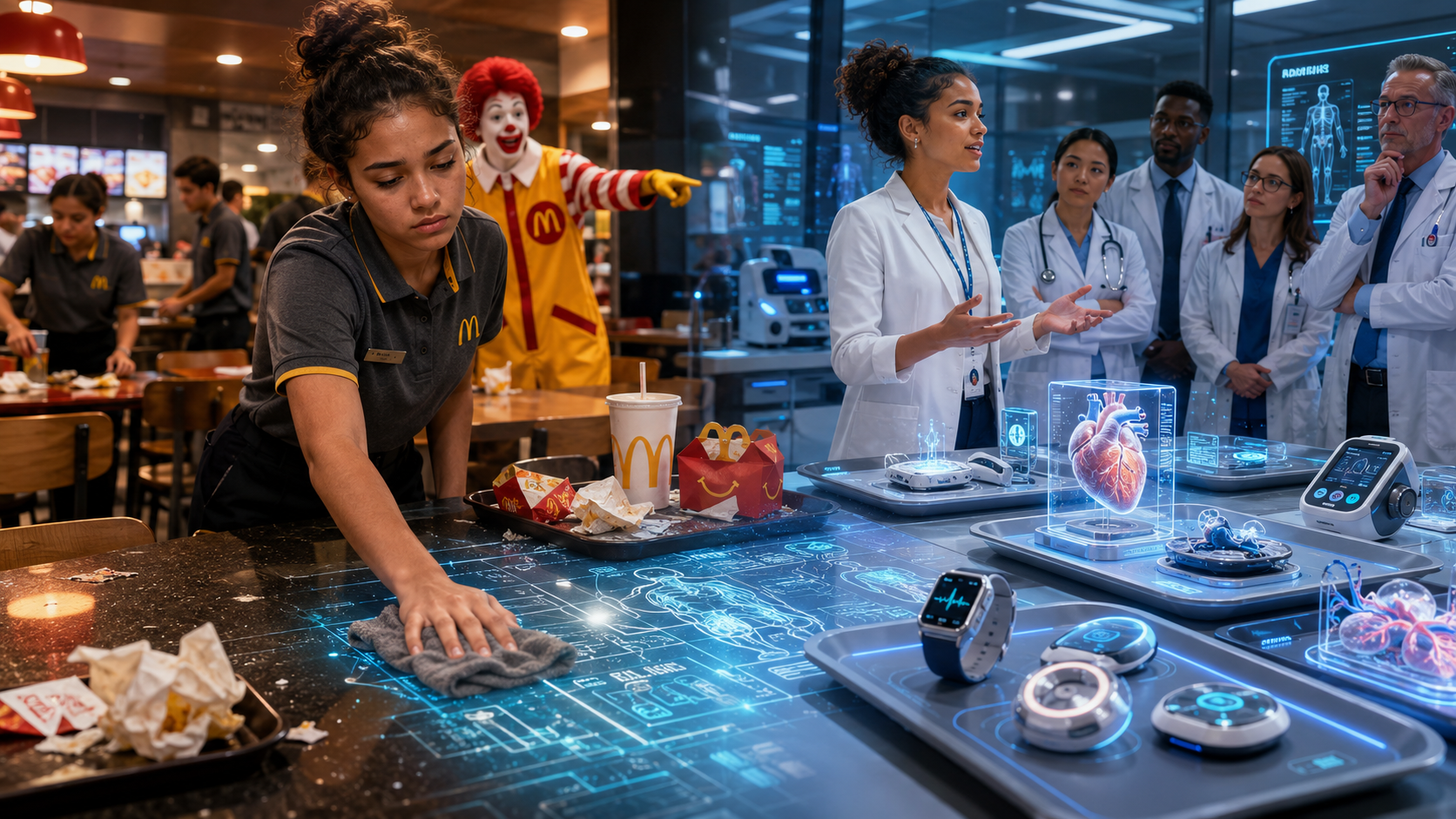
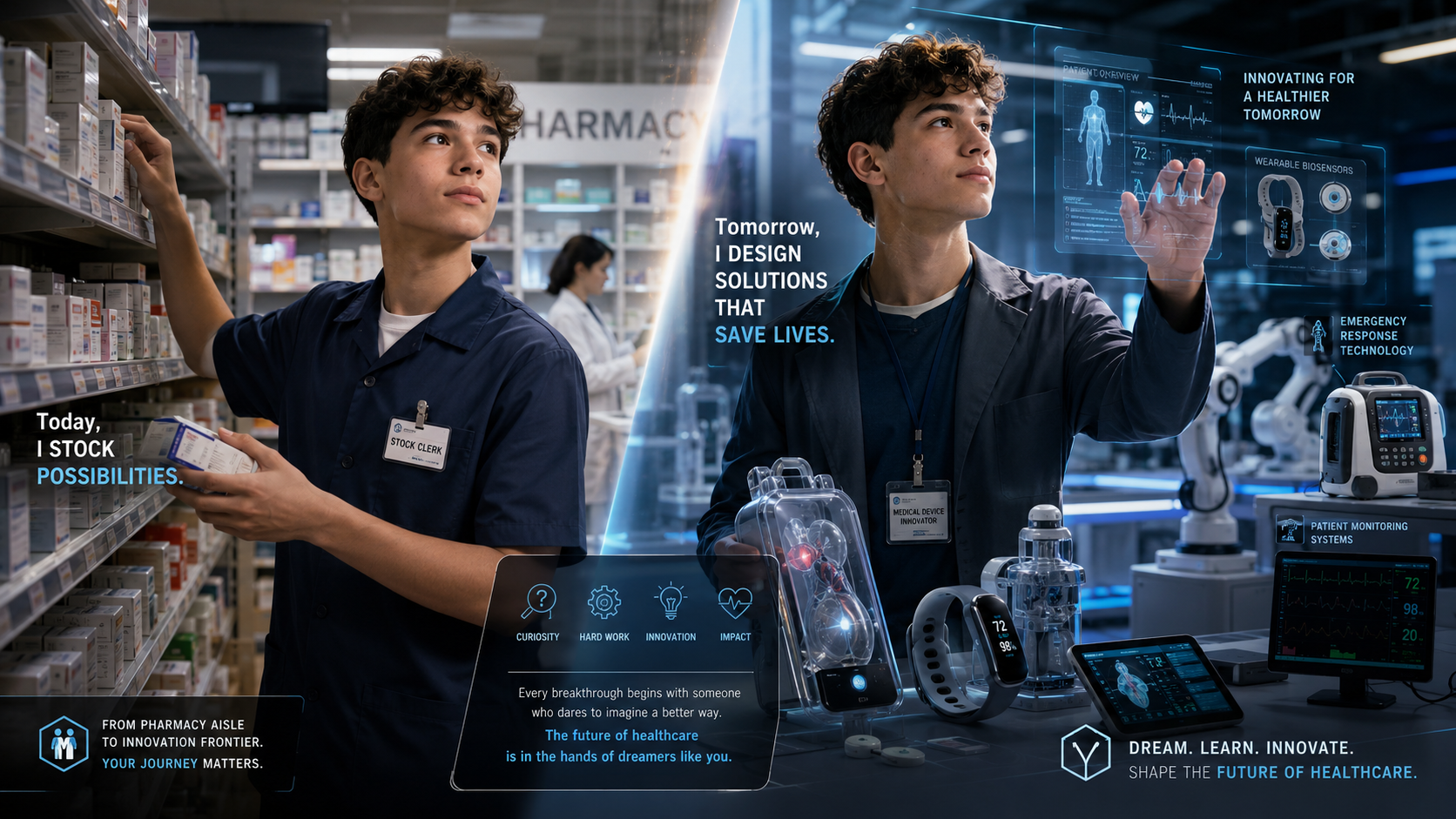

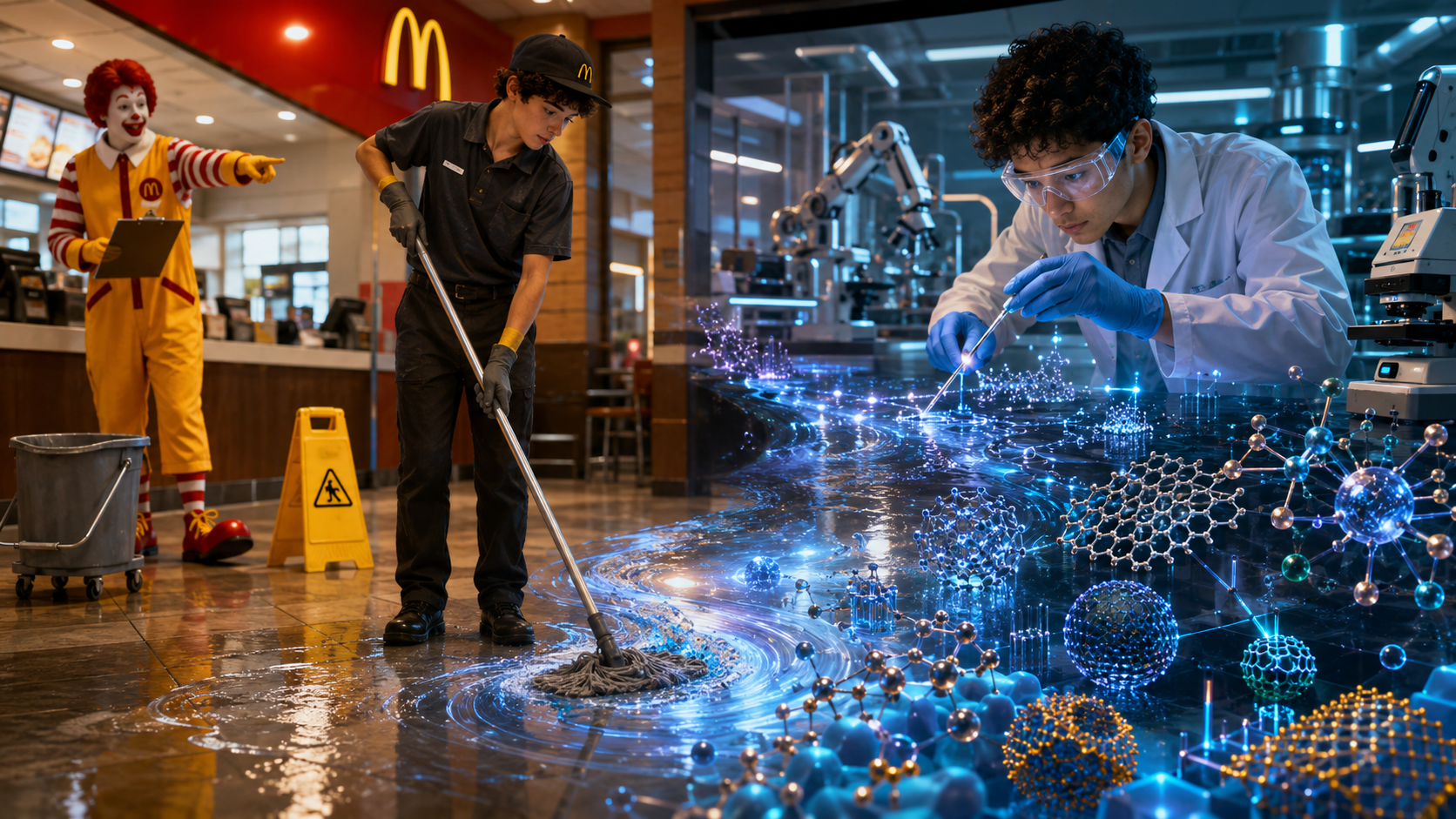
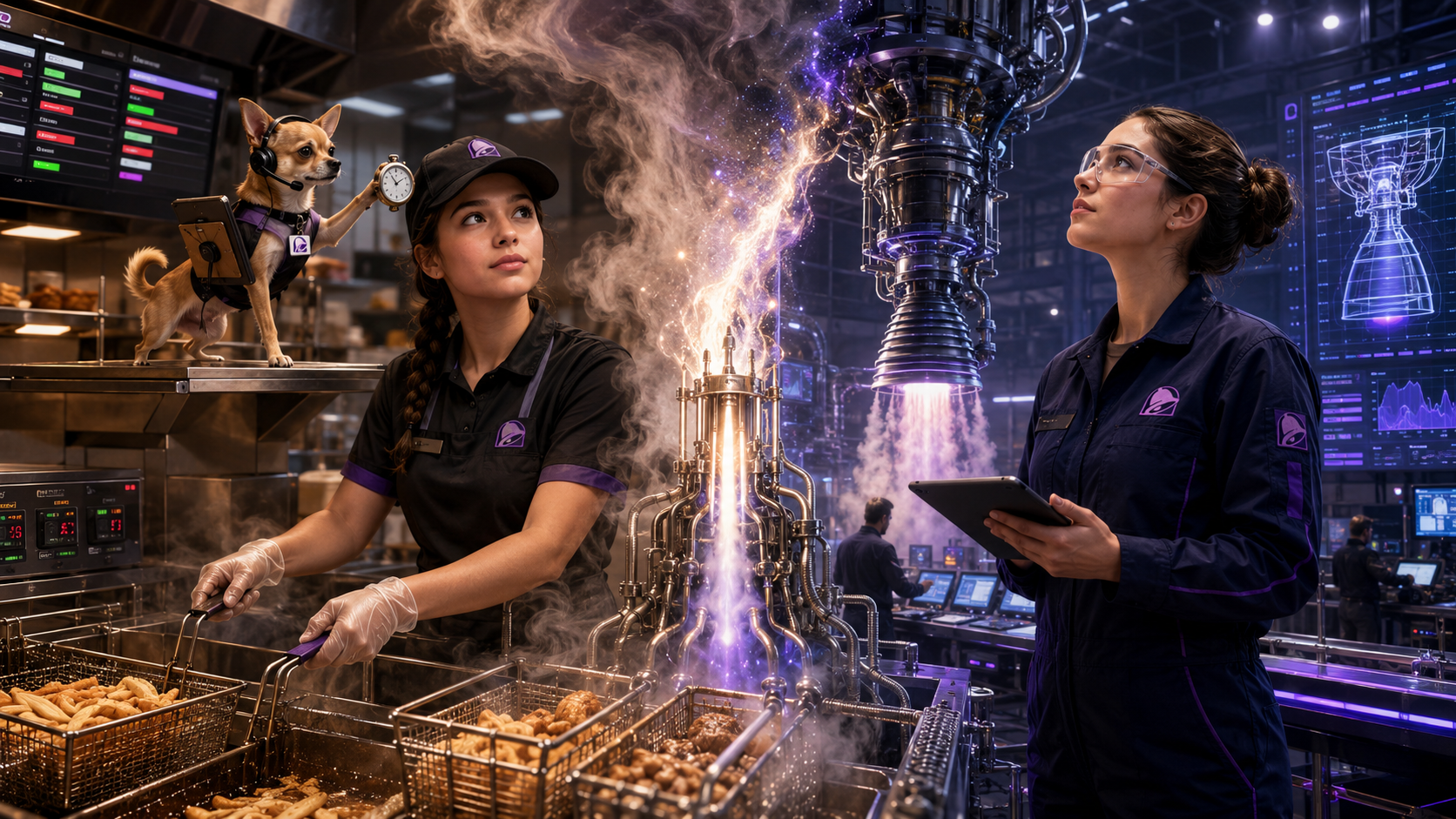
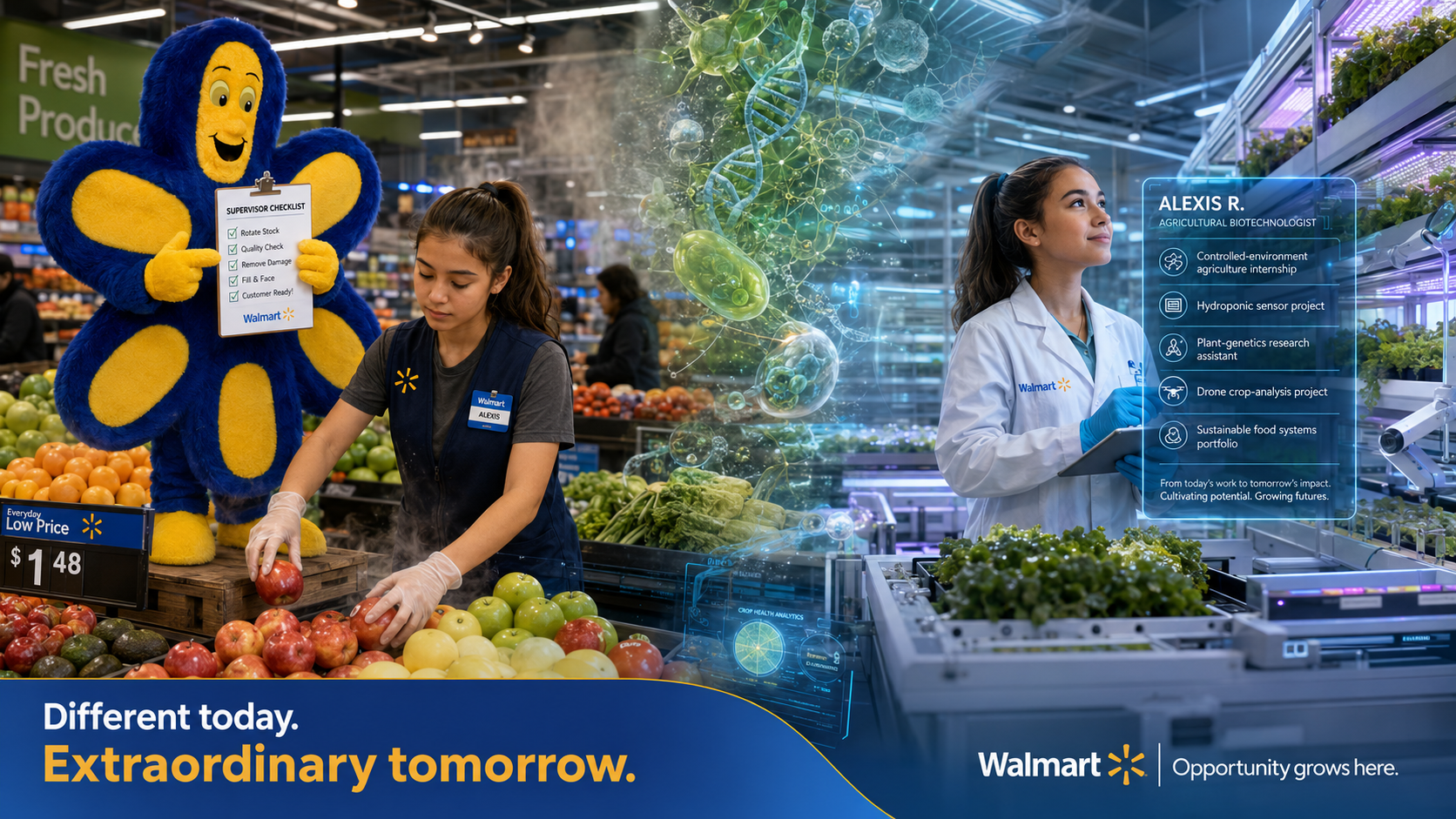
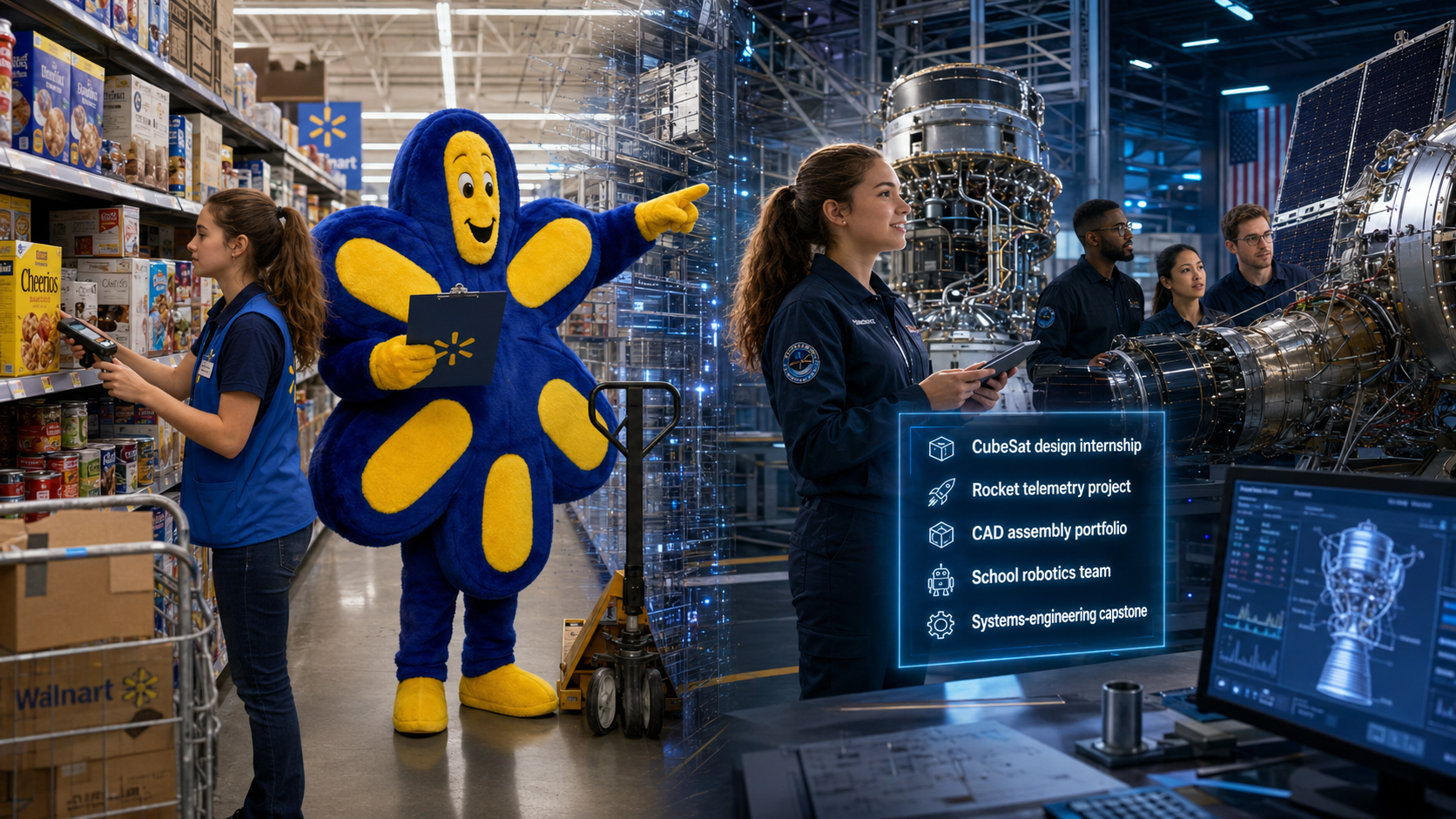
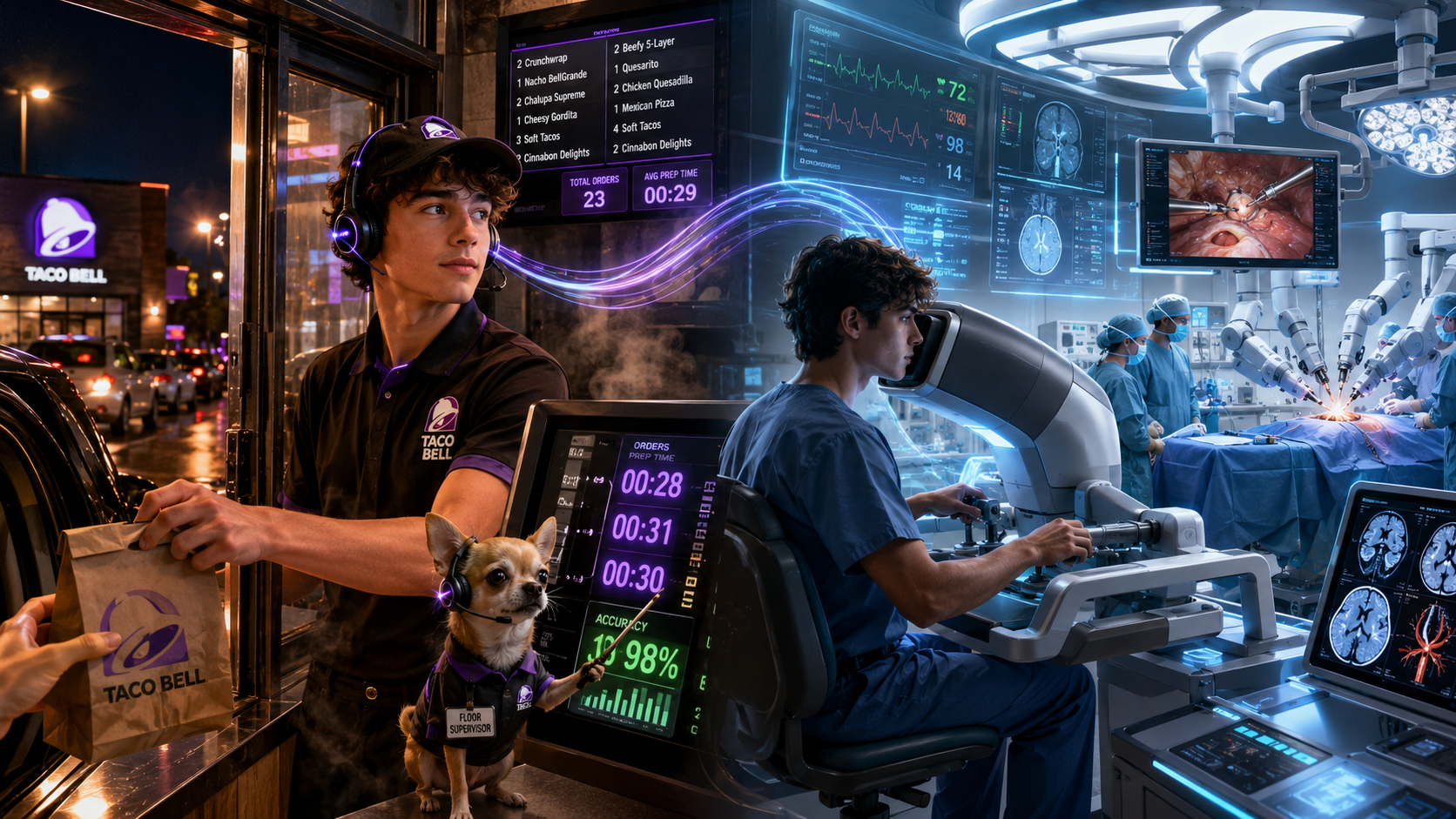
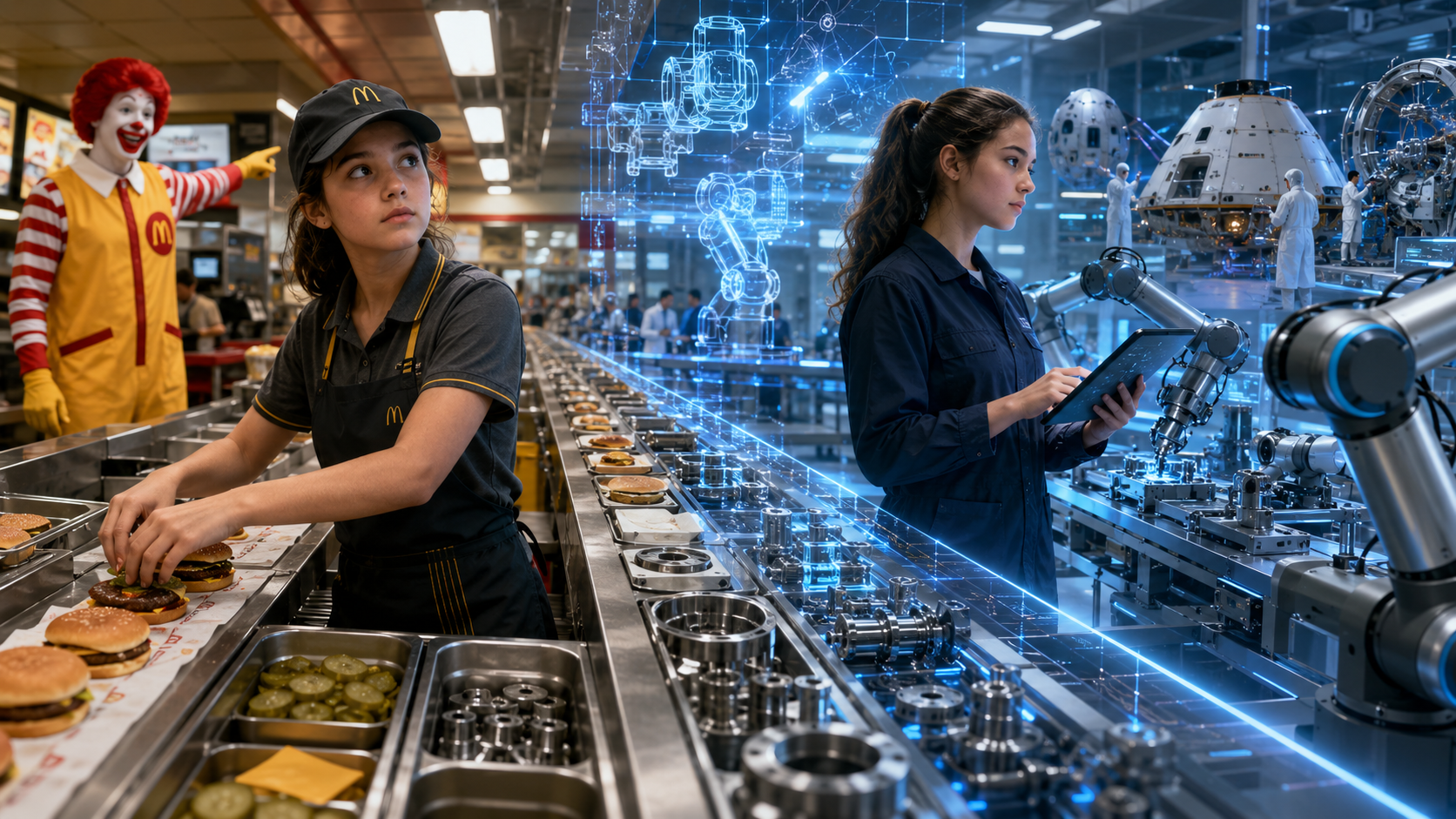
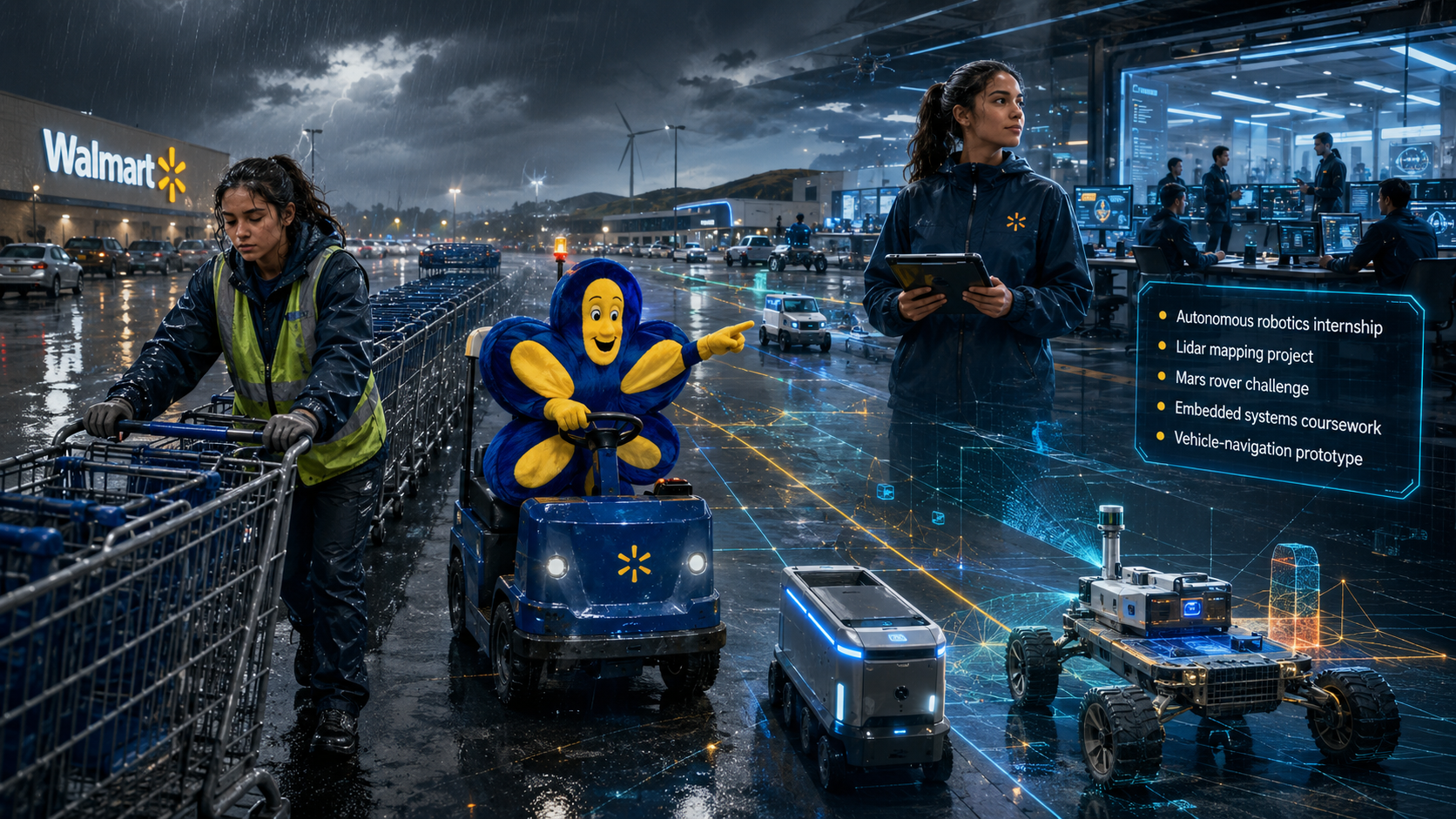
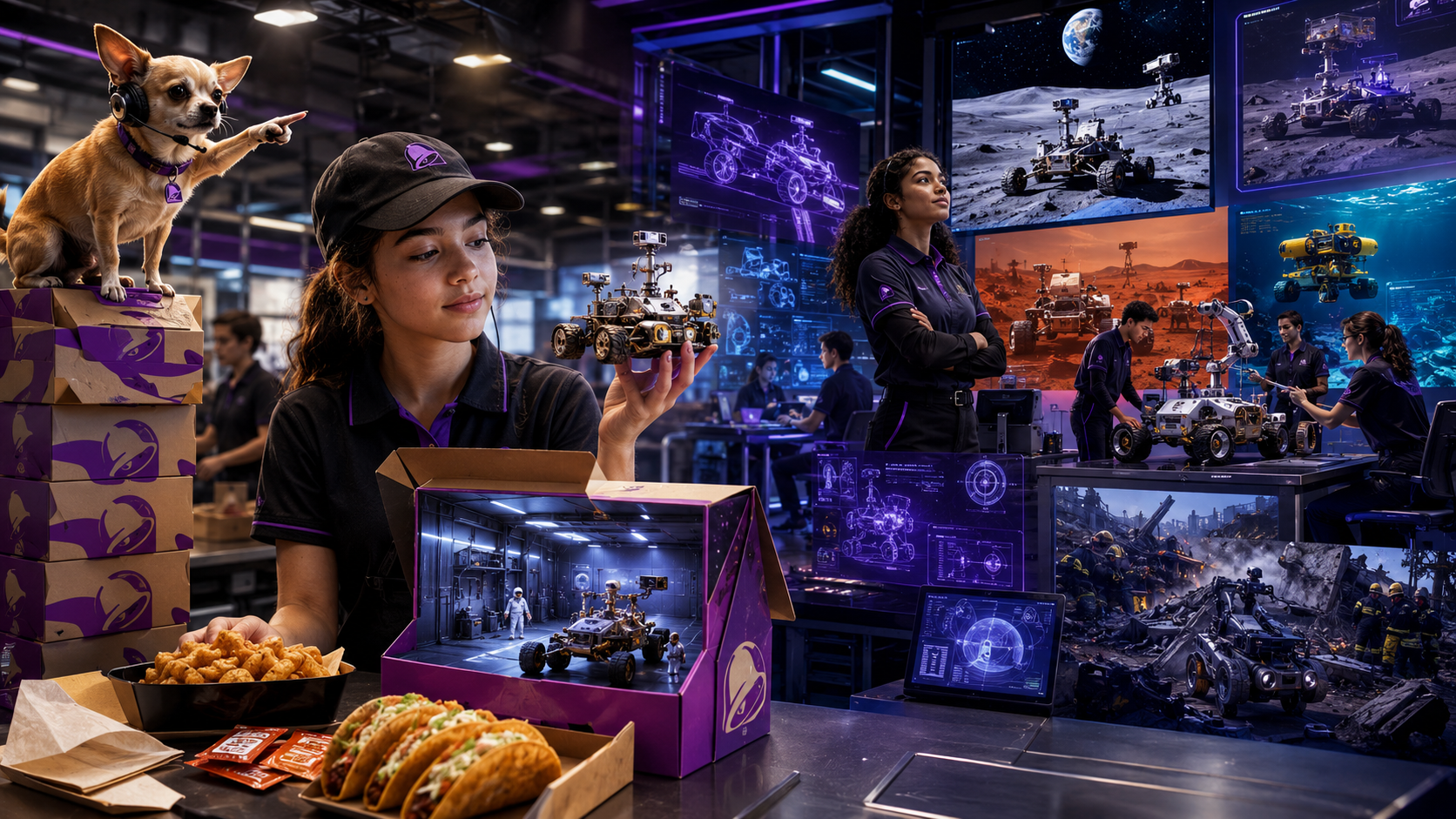
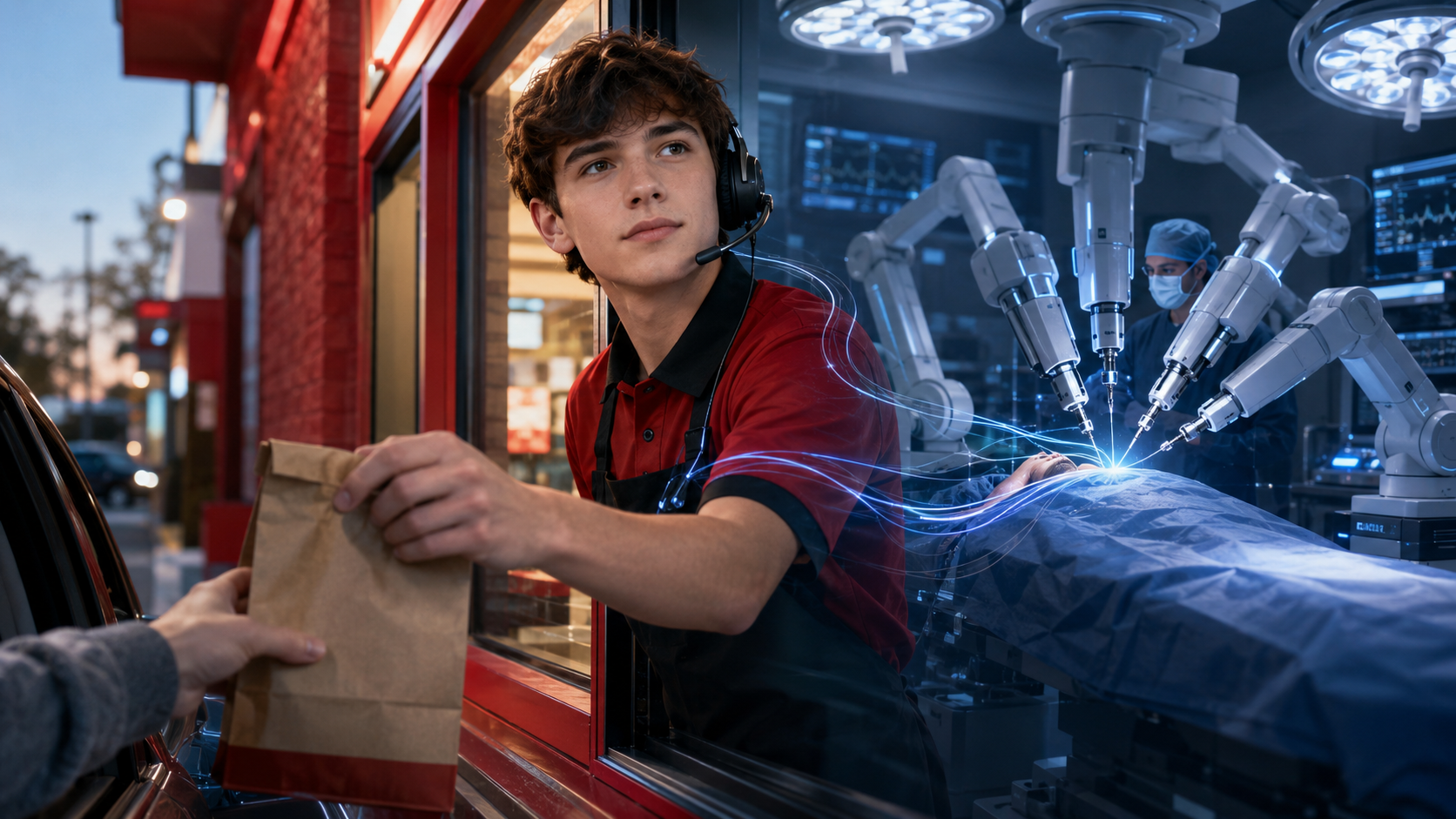
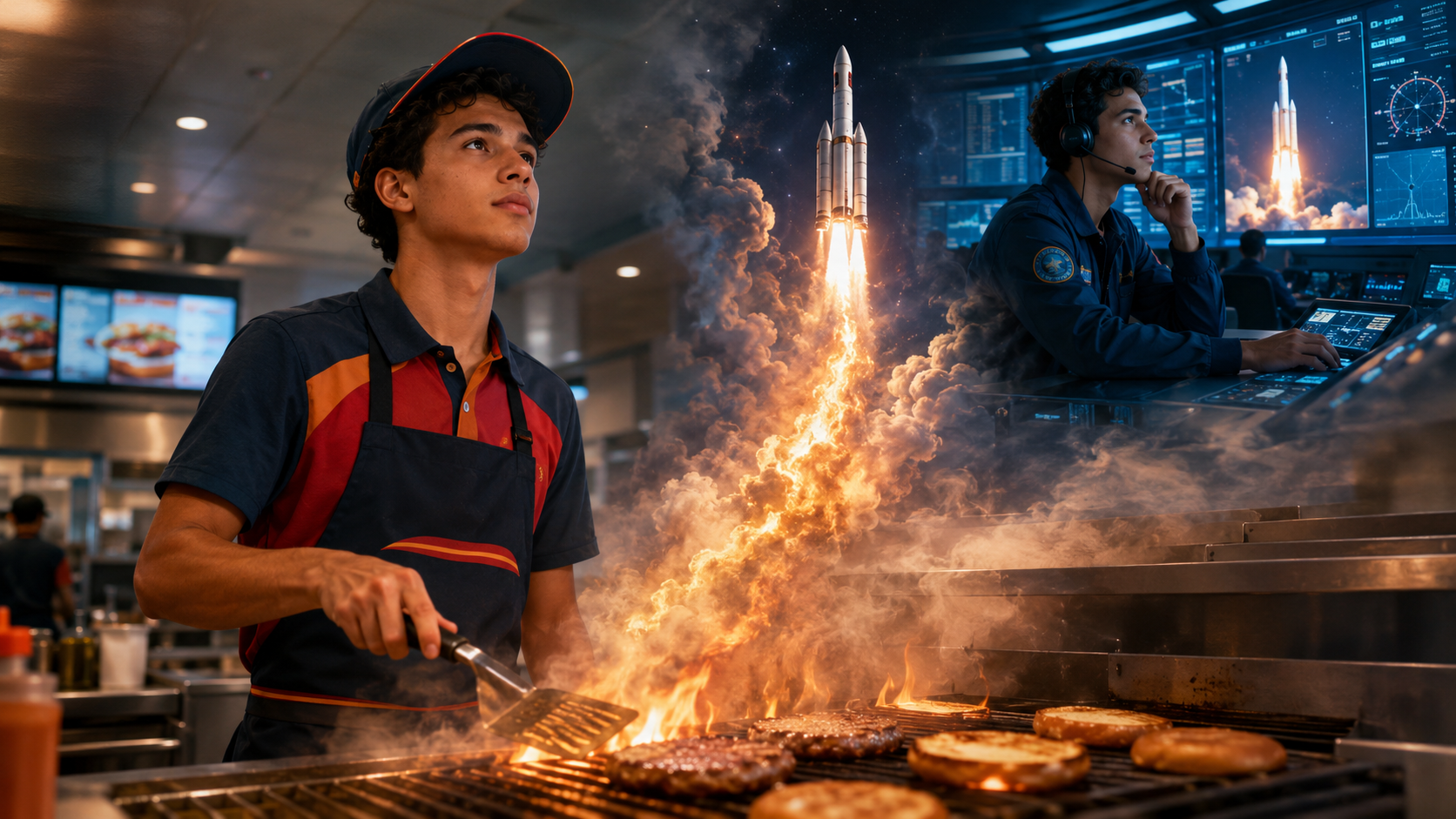
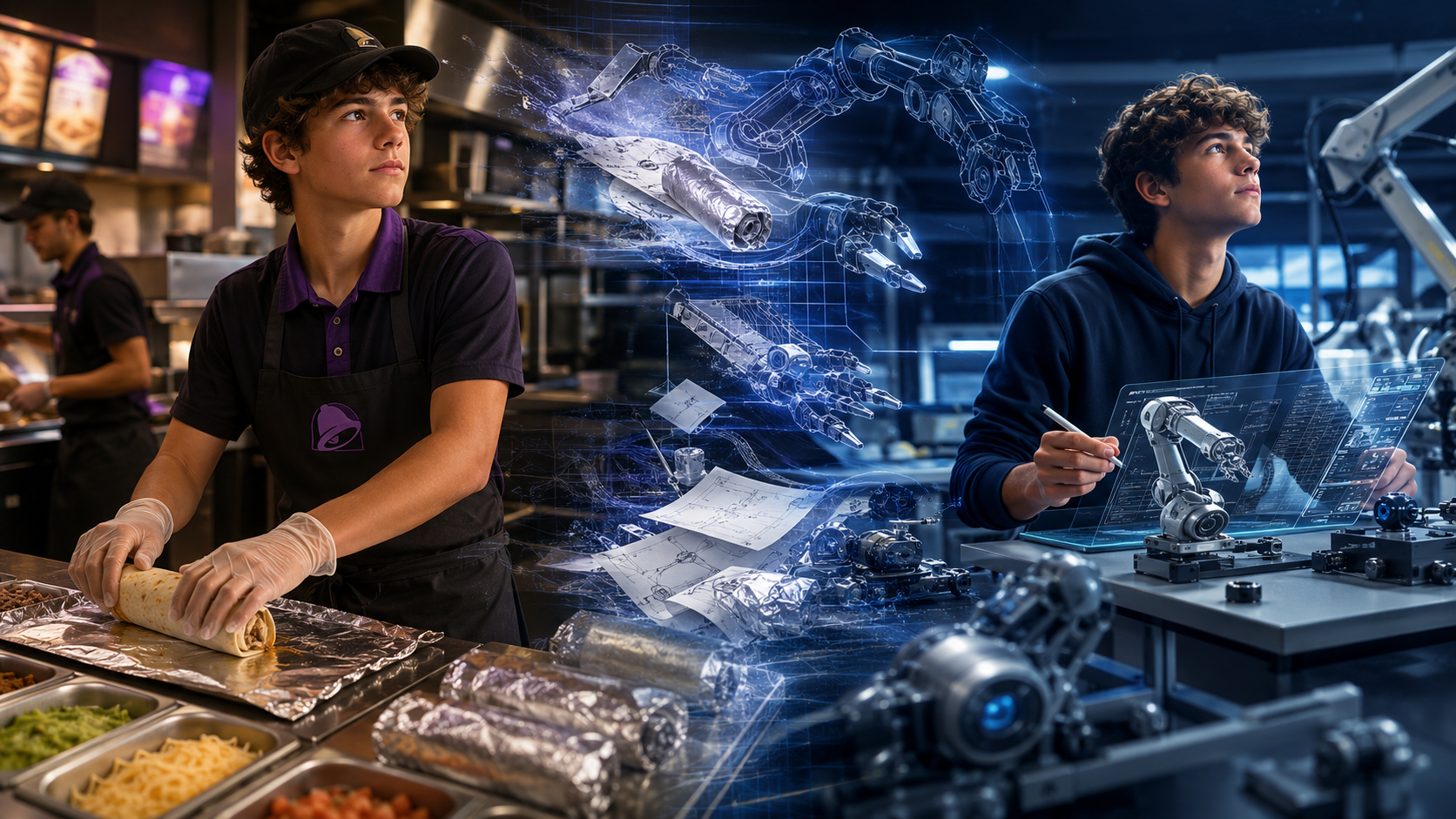
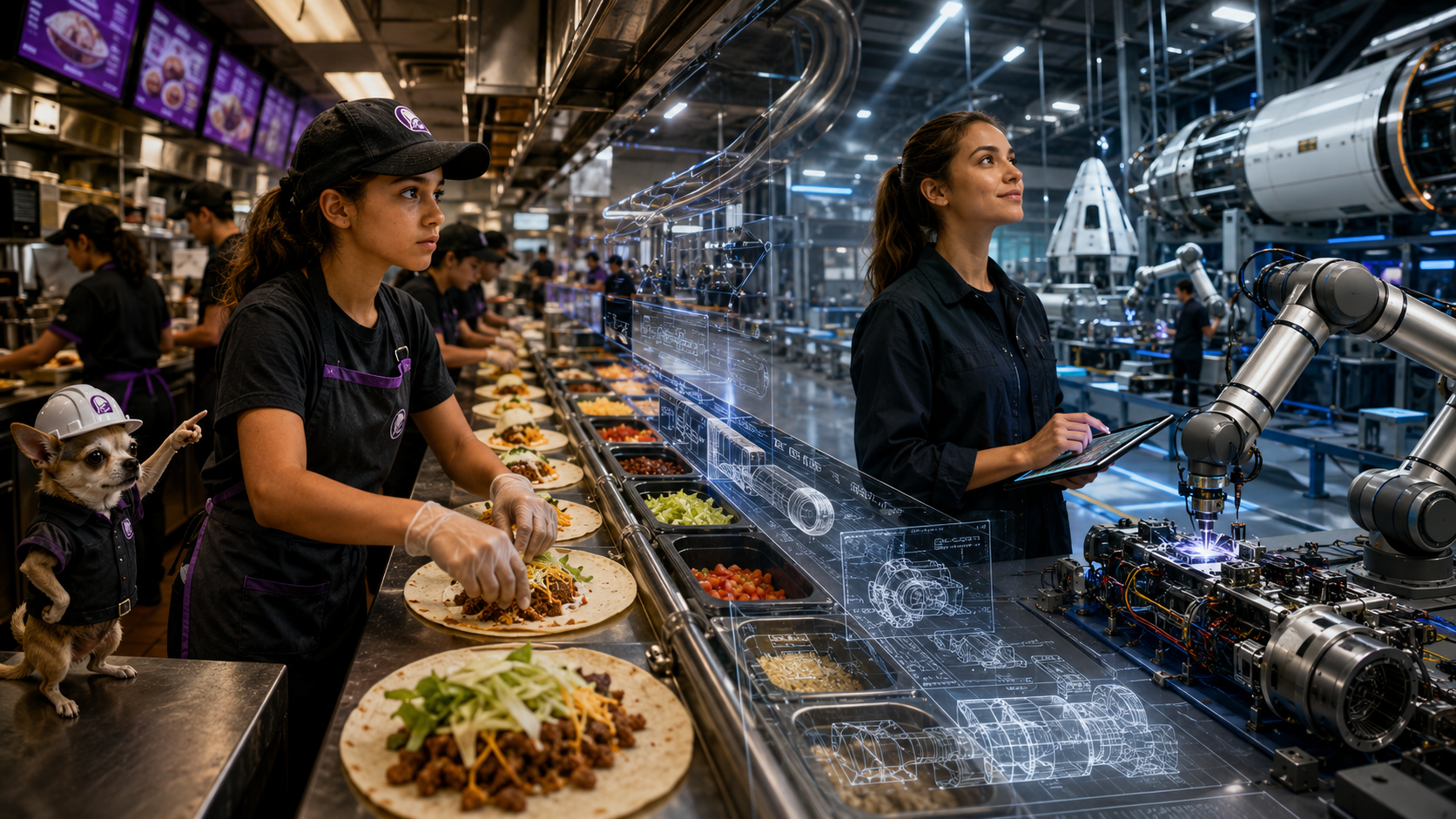


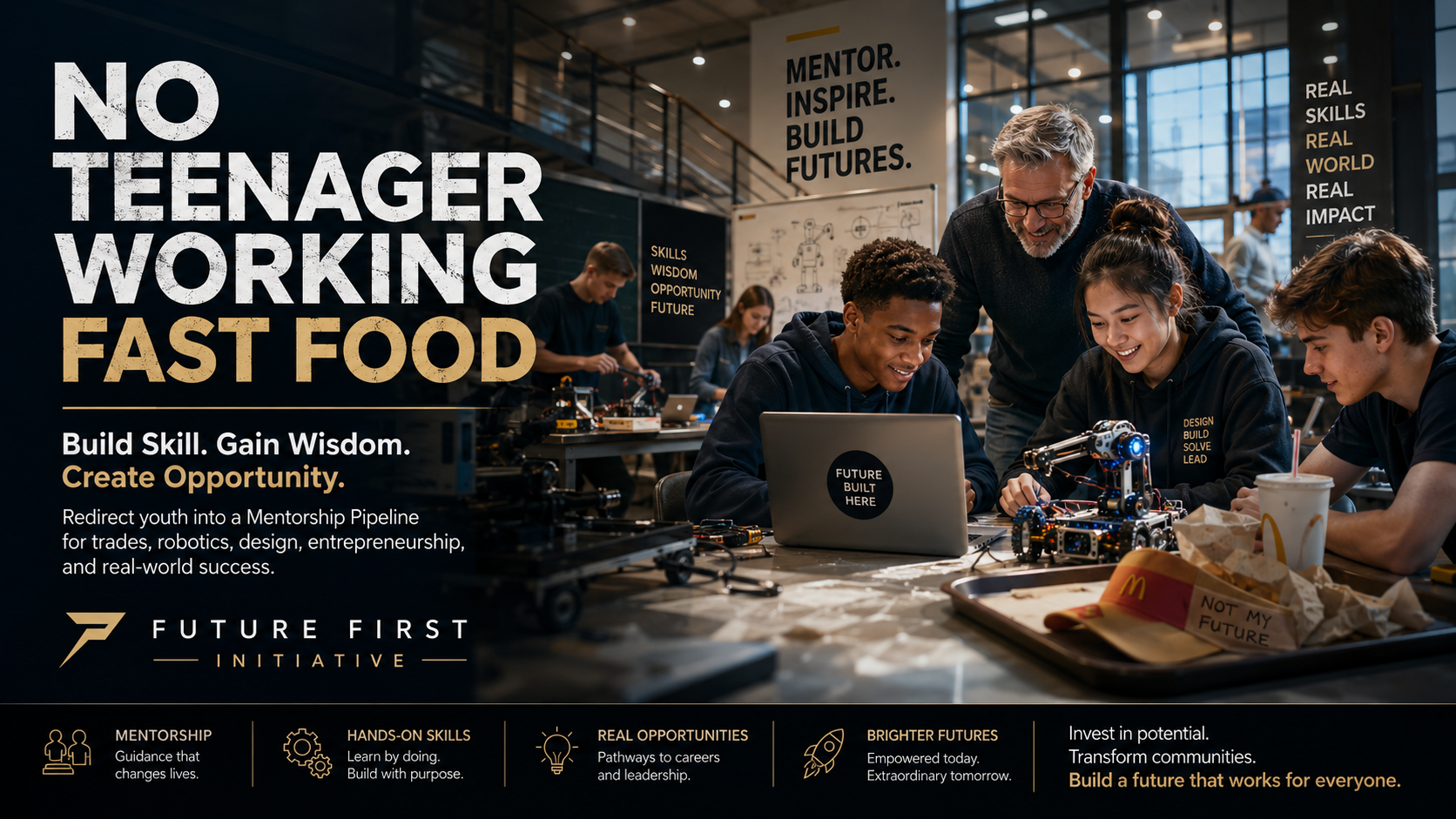
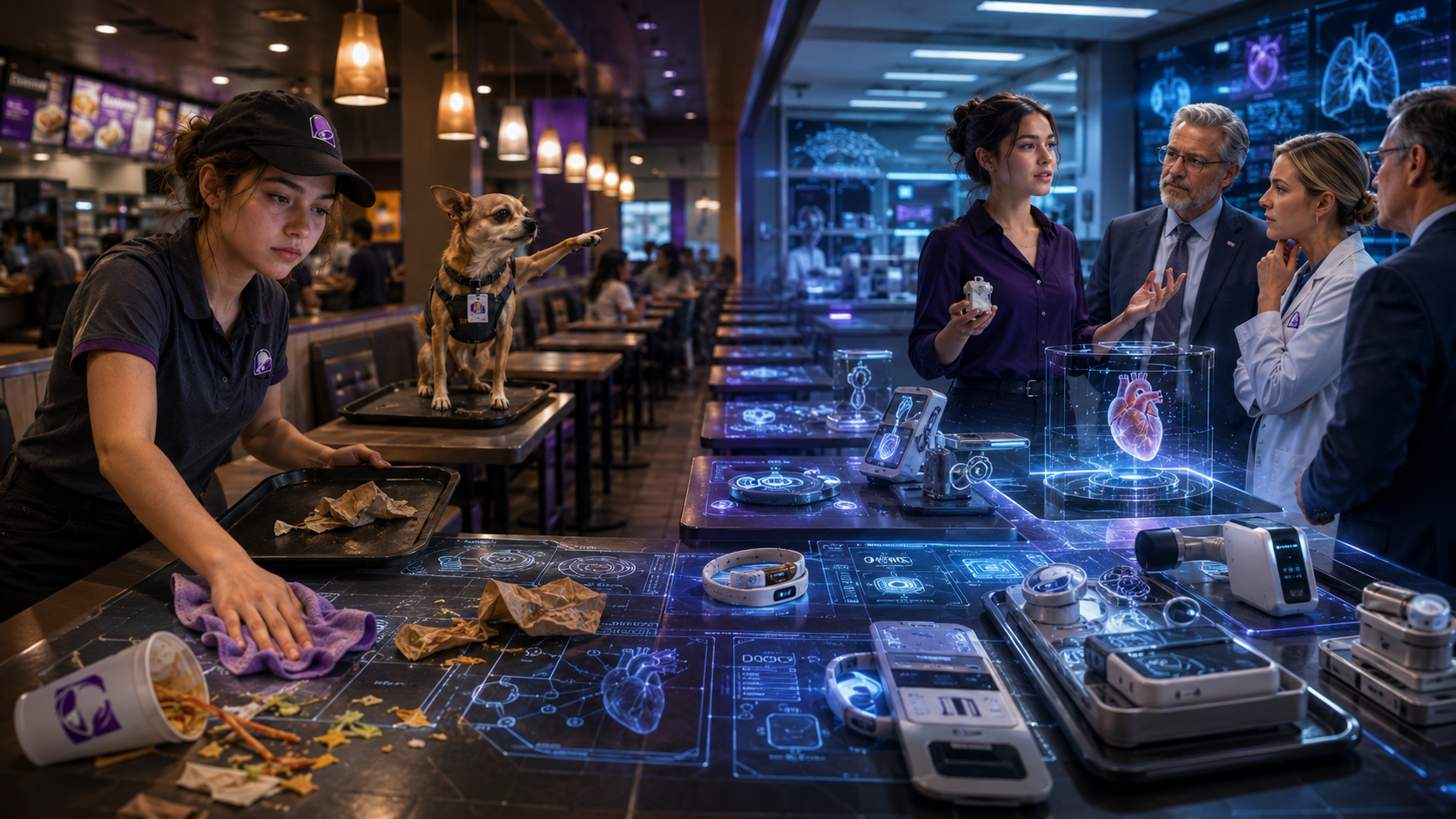

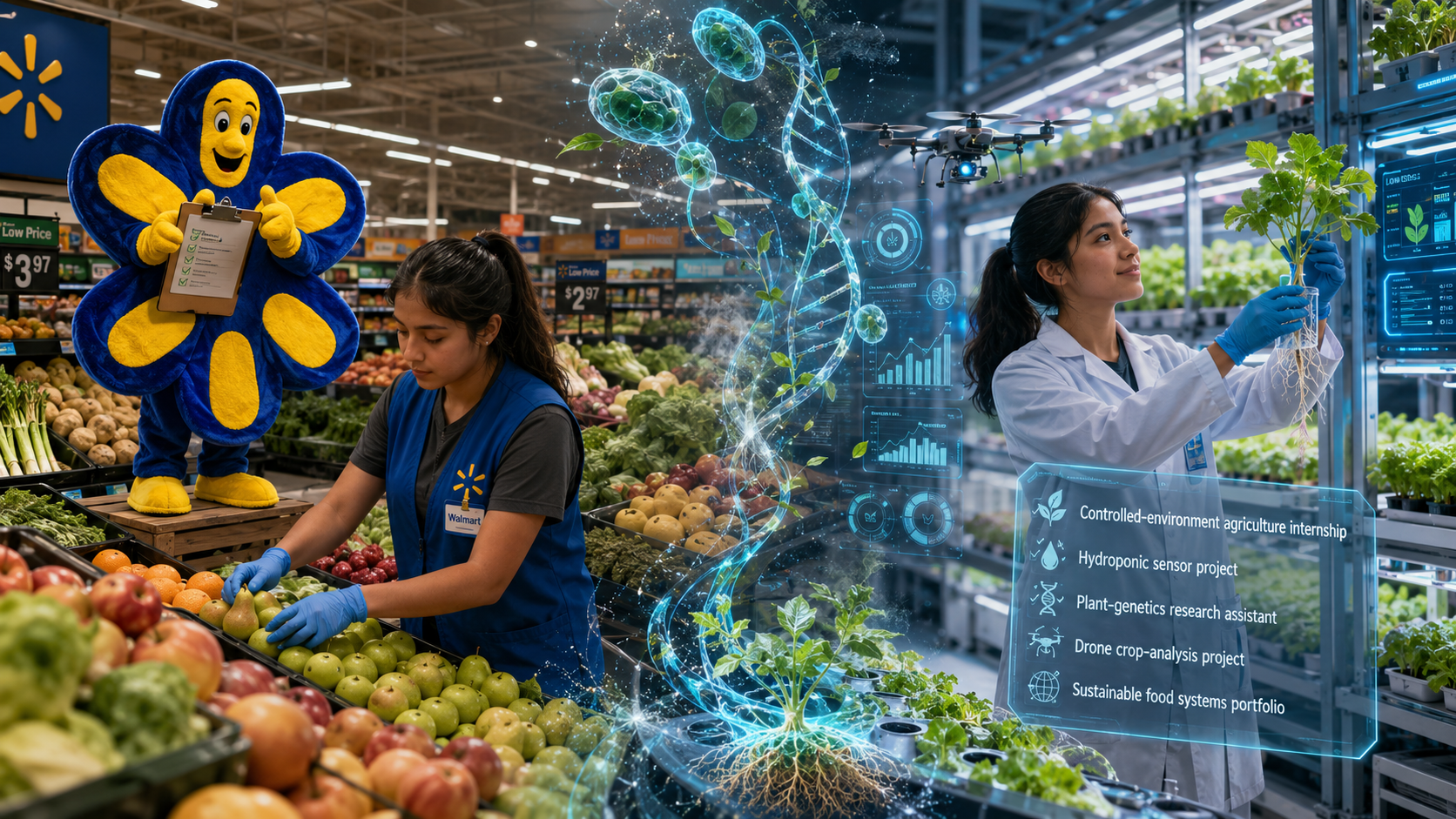
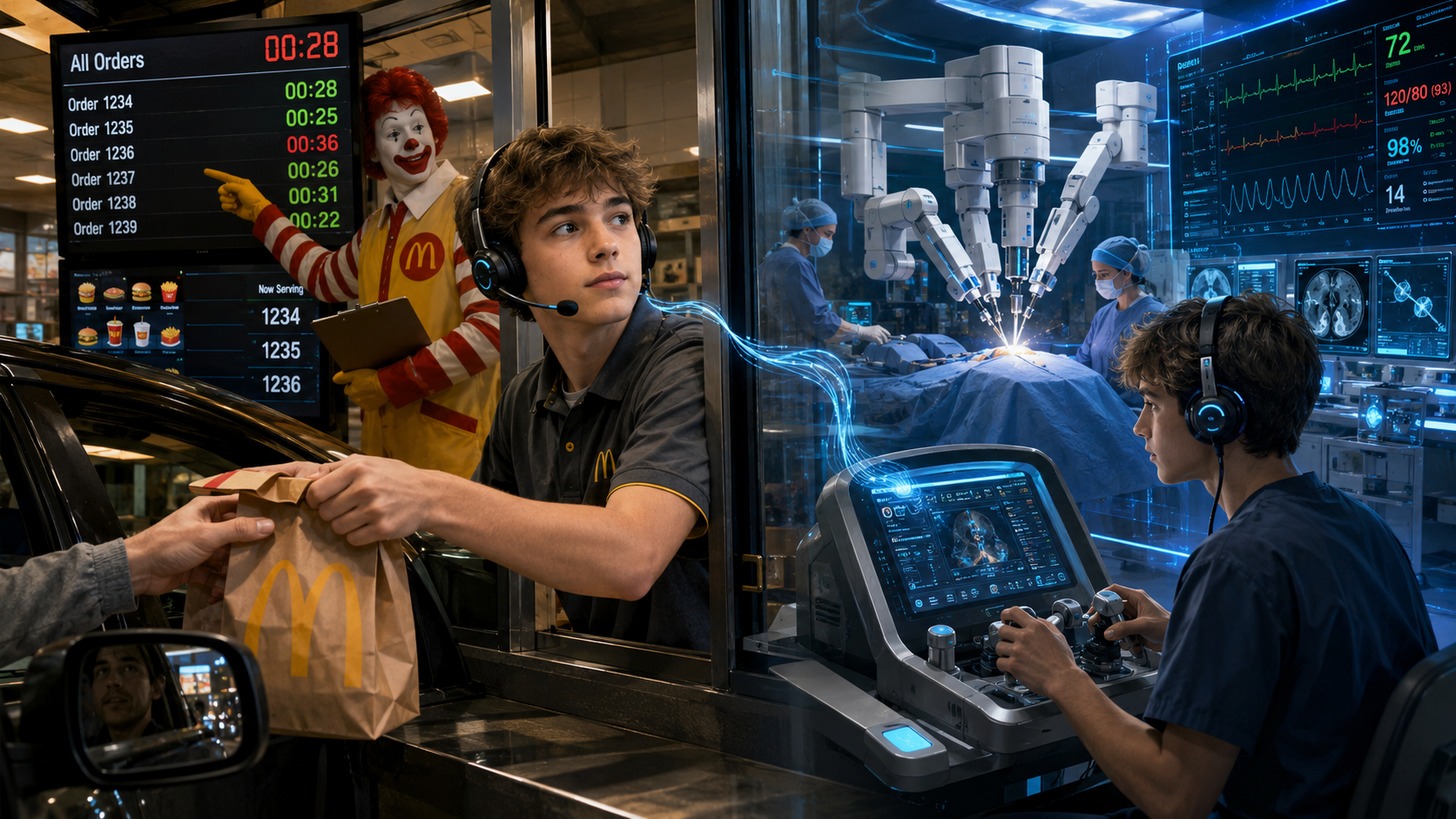
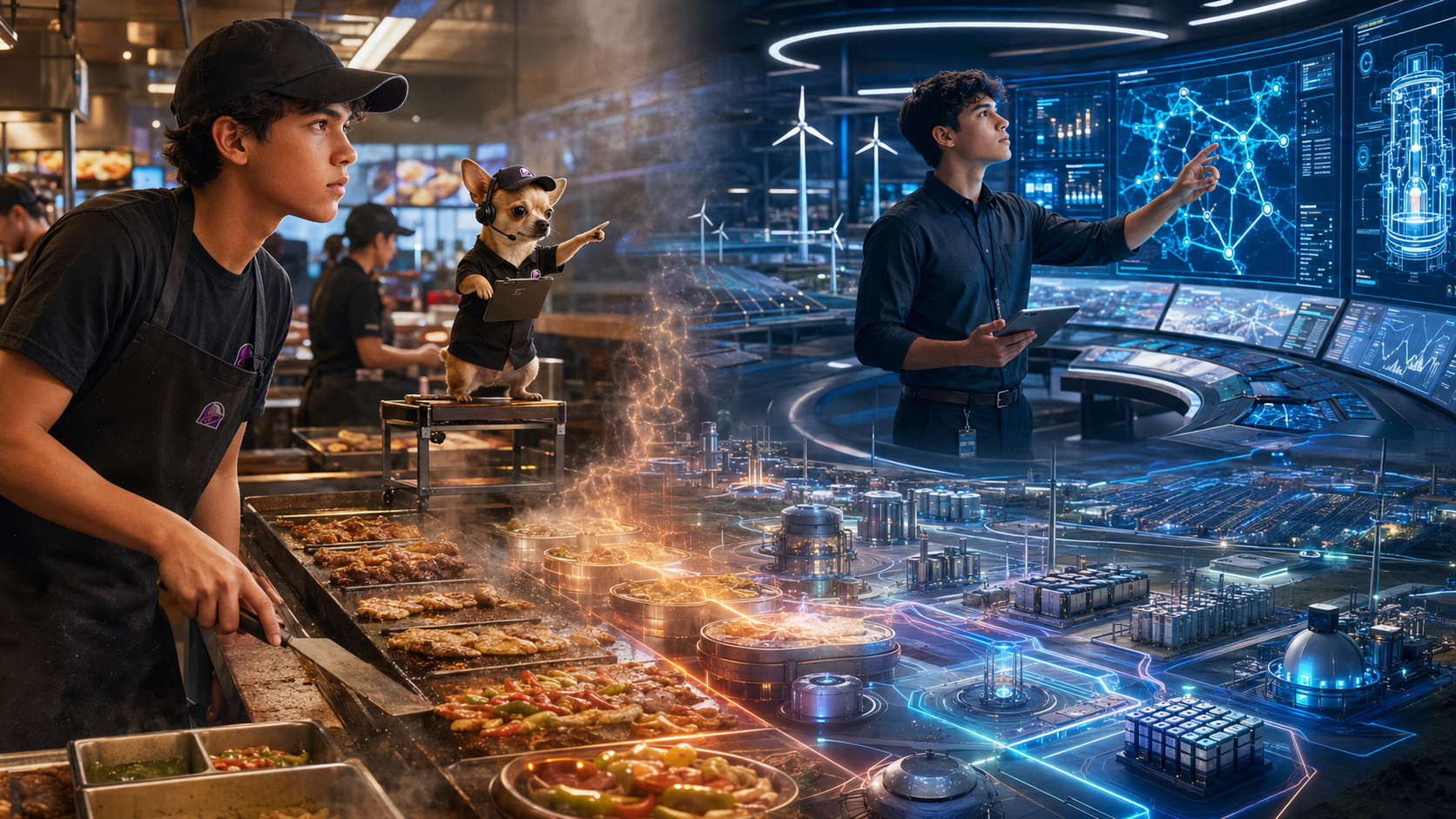
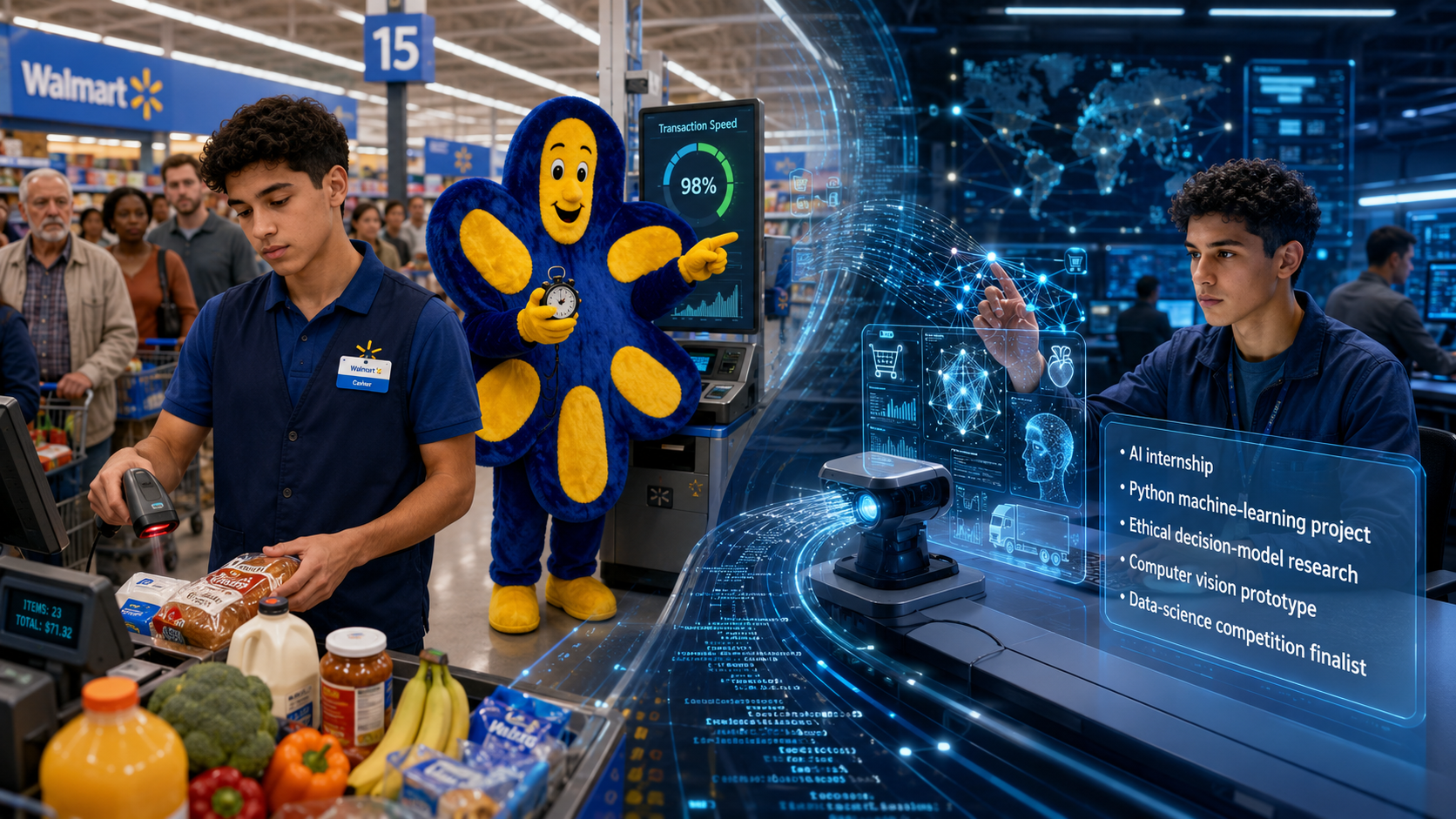

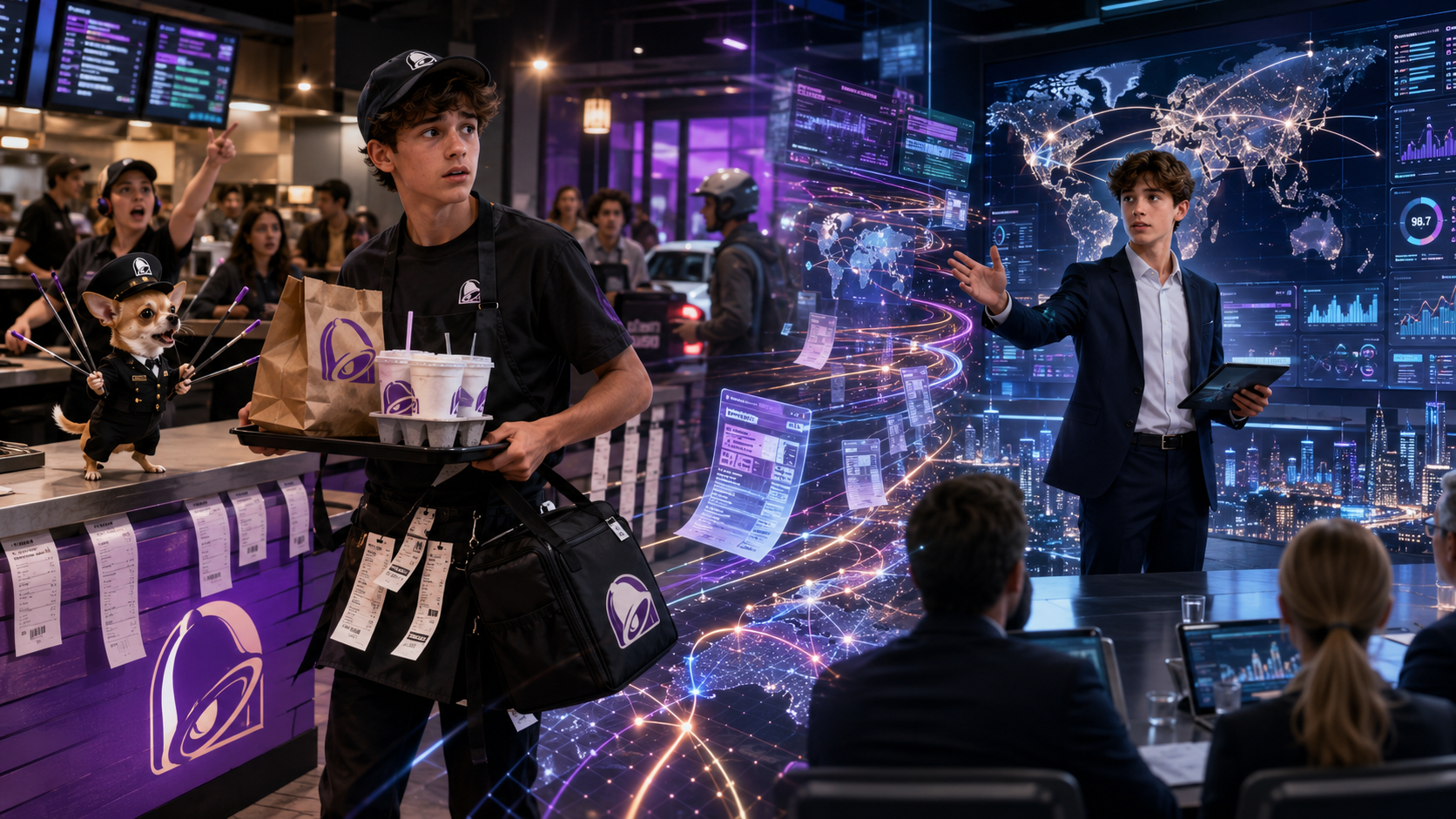

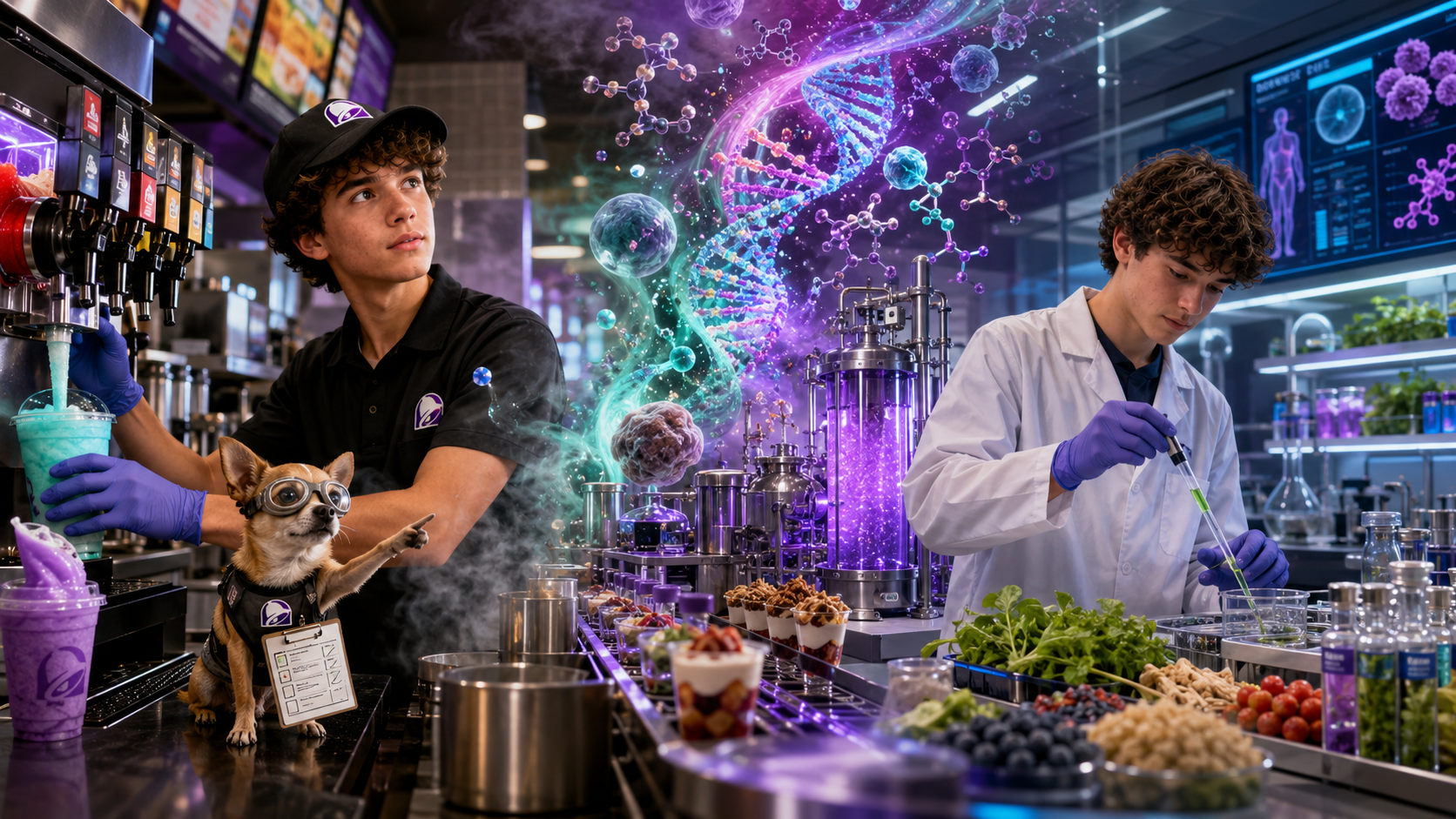





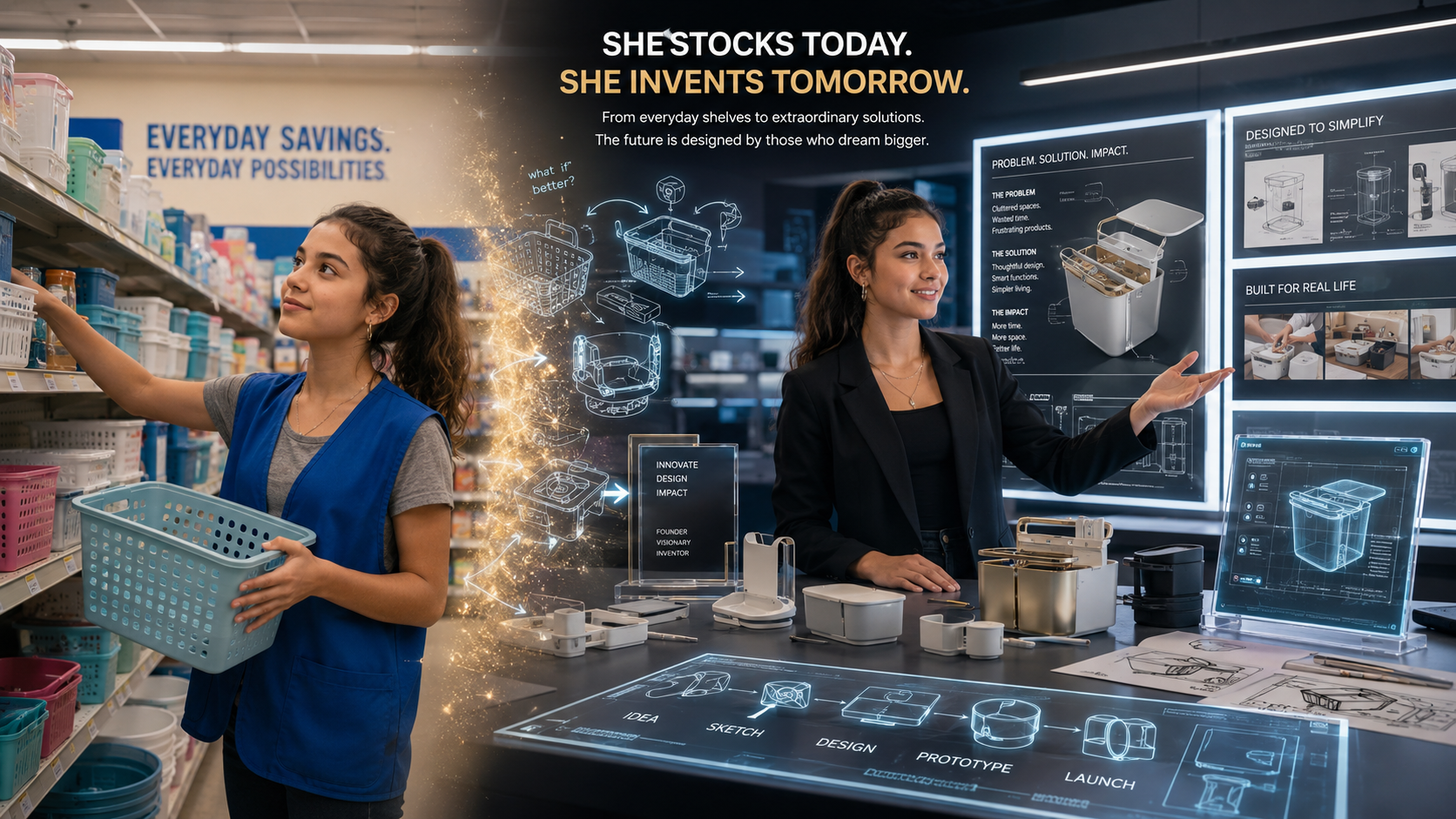
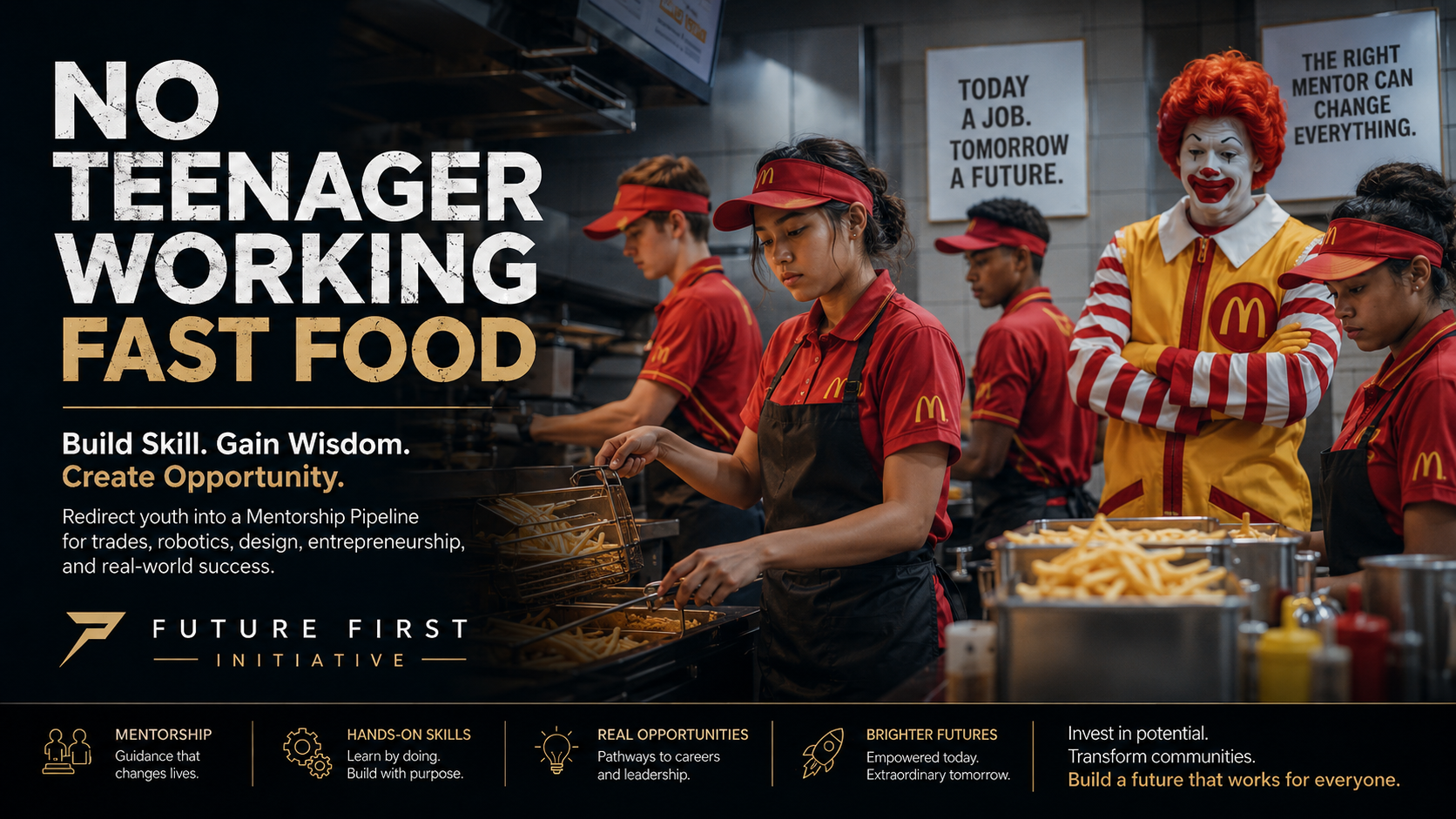
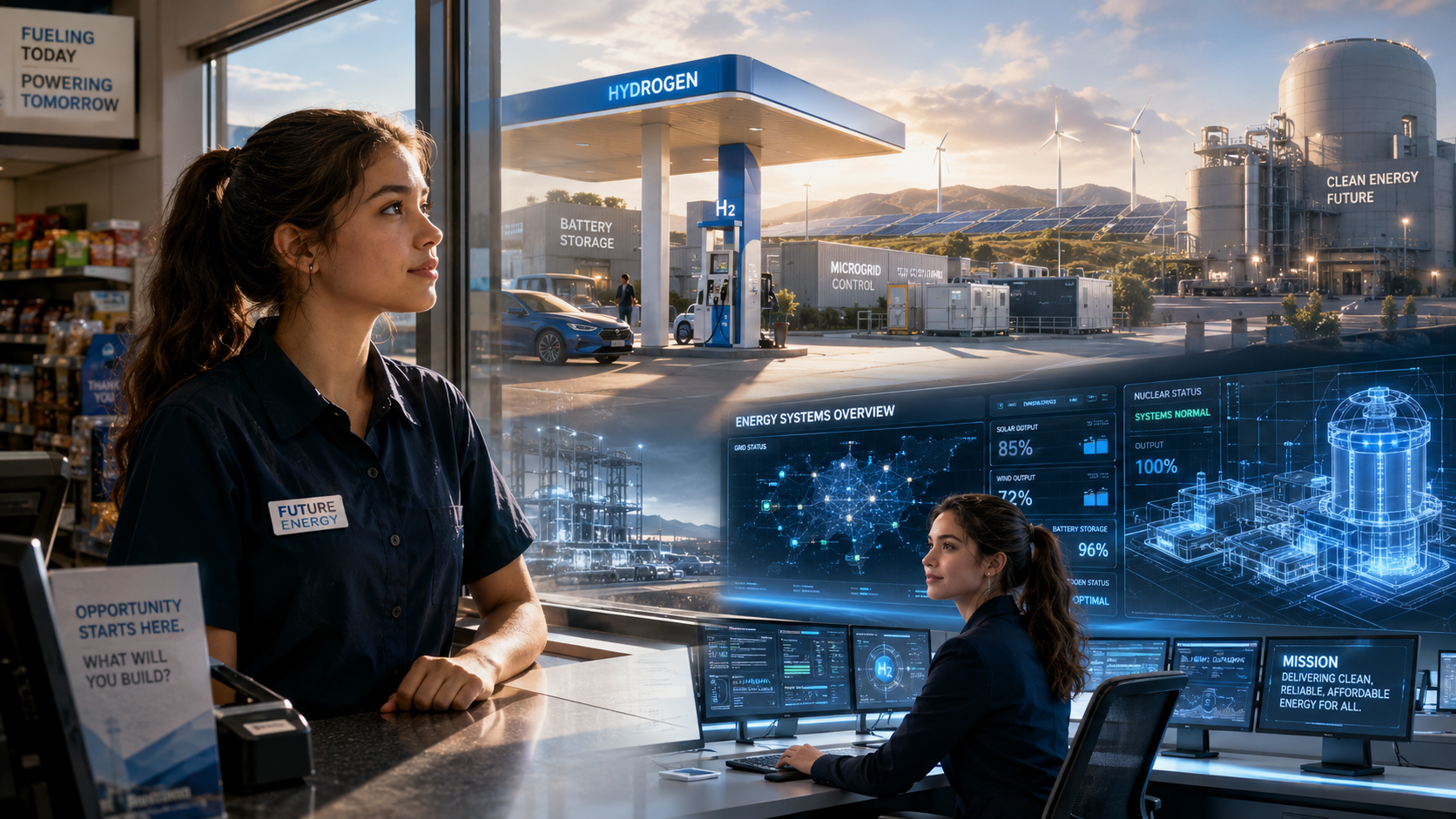
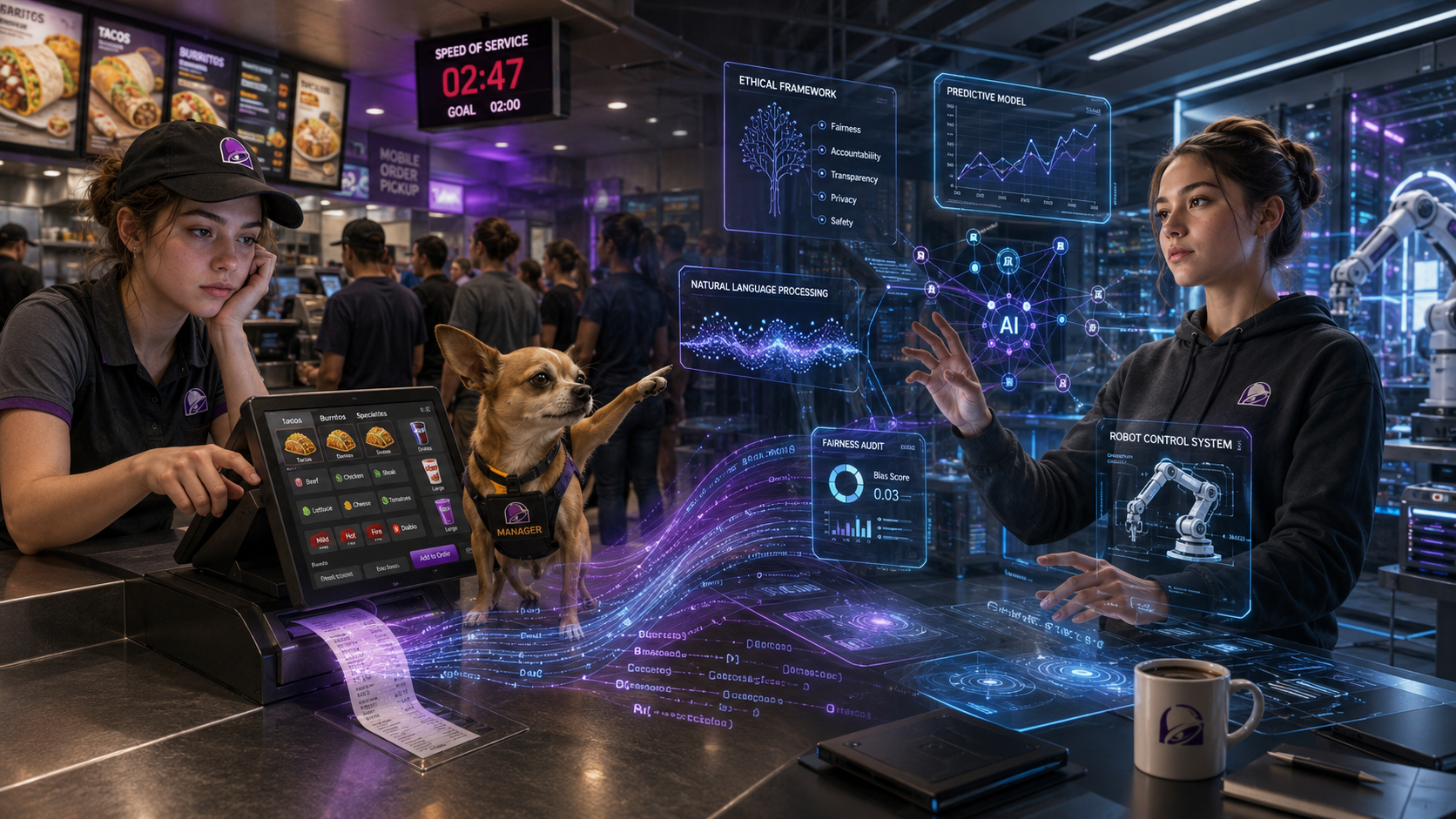

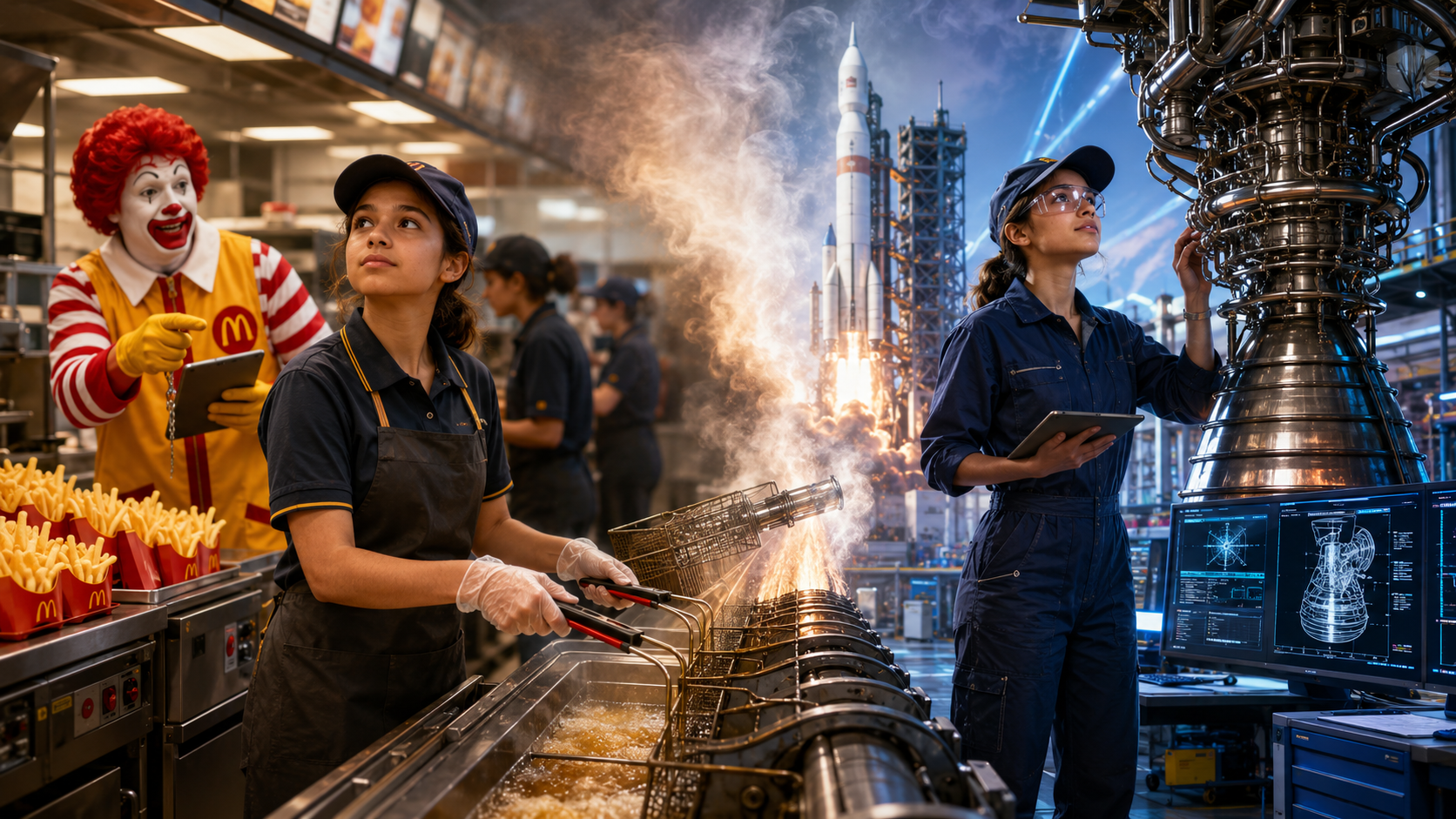
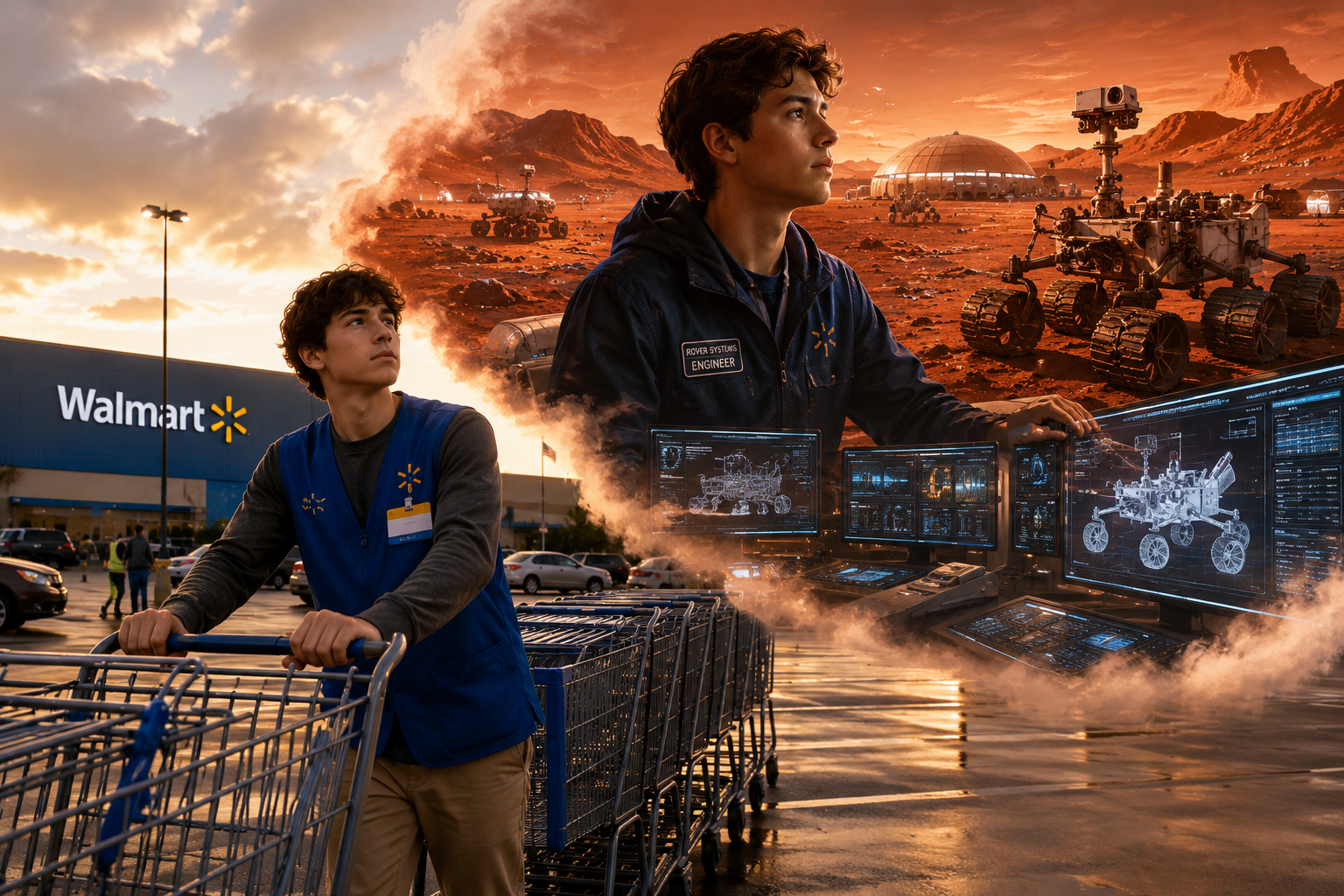
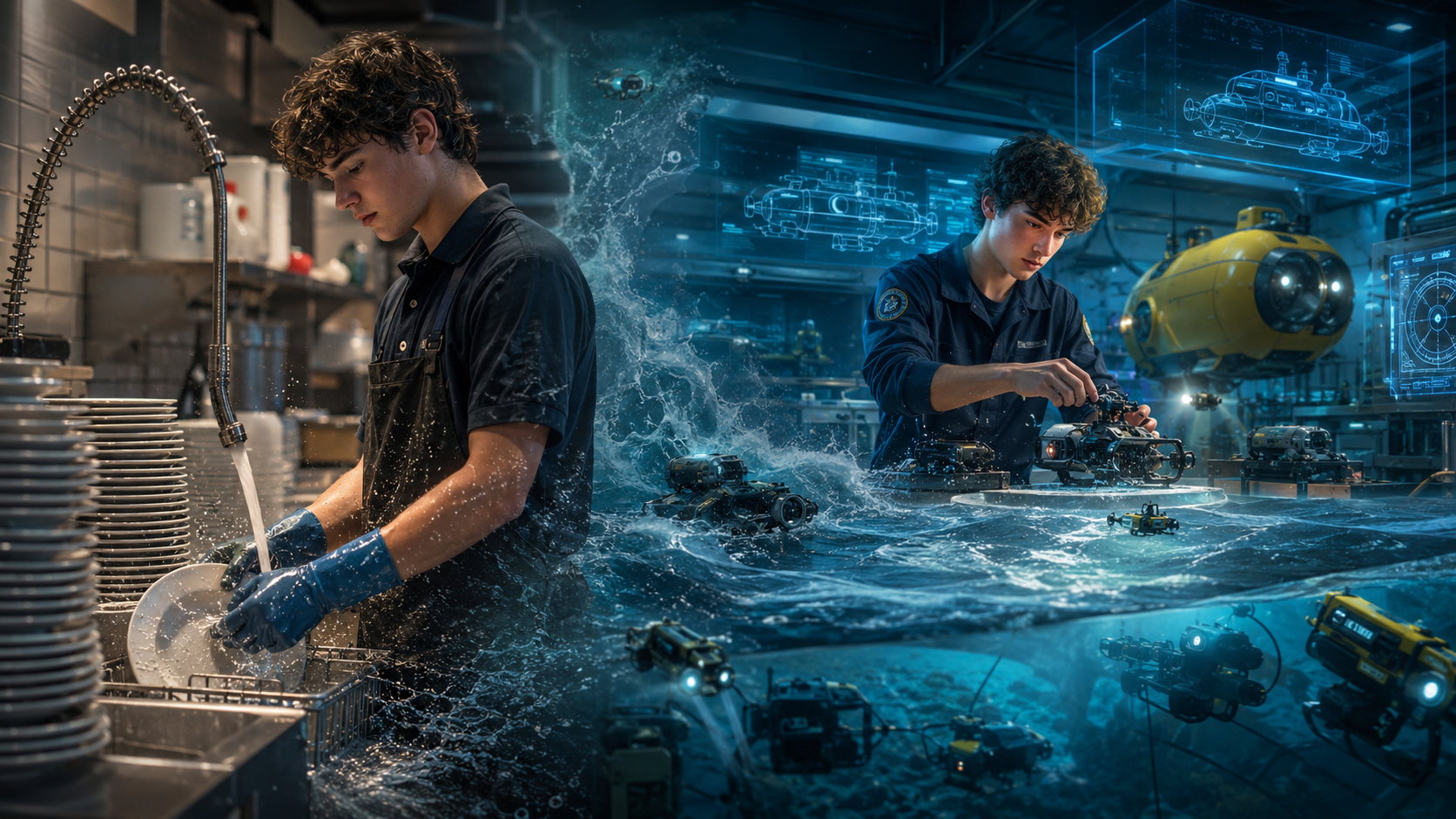
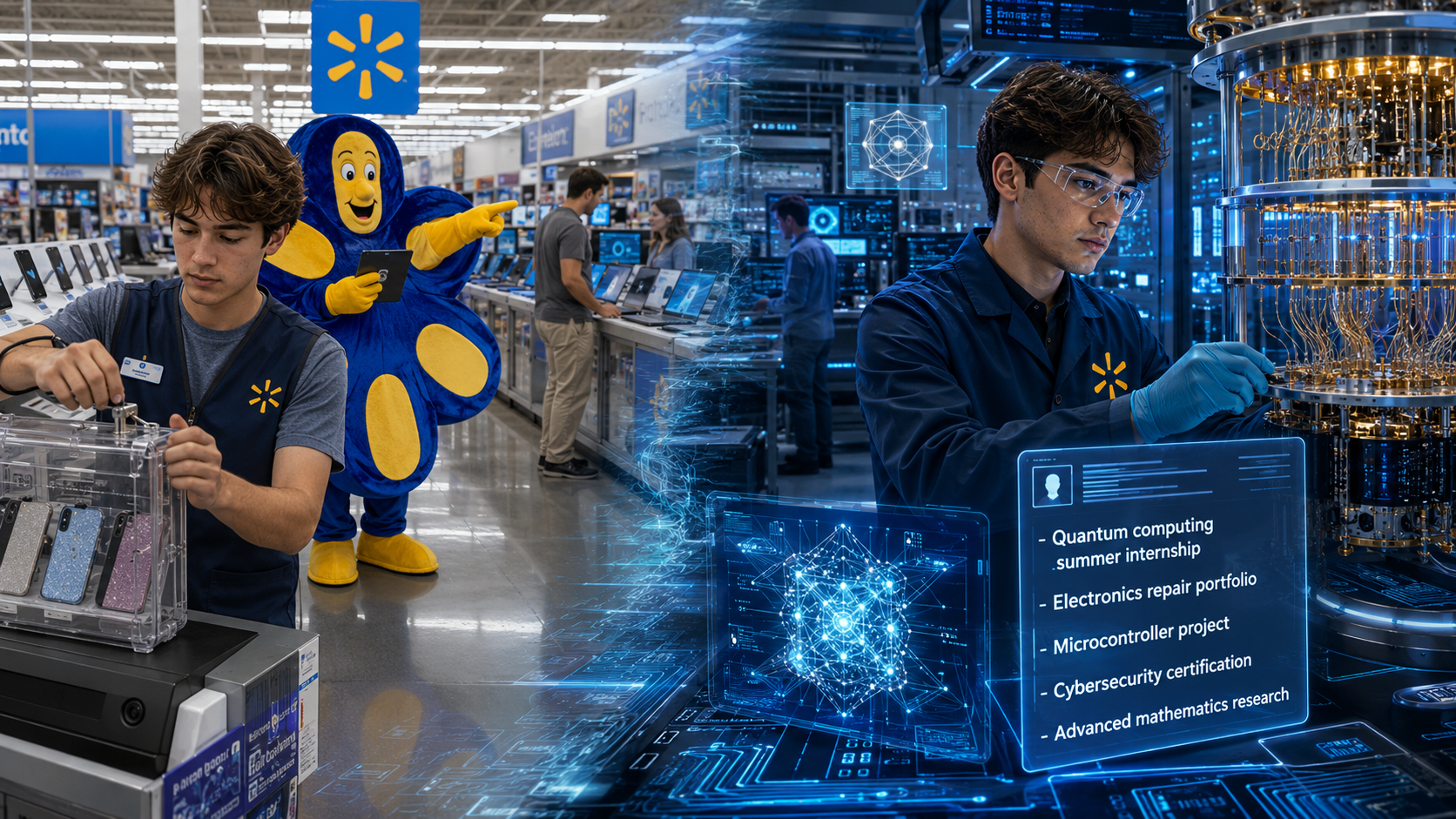


This is not a program. It is a commitment. Students in the DTC pipeline do not spend their formative development years flipping burgers, taking drive-through orders, or cleaning fryers. Their time — the most irreplaceable resource they have — is used to develop skills, build a portfolio, earn a credential, and advance toward a career. The world will not run out of fast-food jobs. It will run out of time to develop the people who should be filling better ones.
The Argument
- Every hour at a cash register is an hour not spent in a lab, on a project, or with a mentor
- Fast food trains compliance, not competency — it teaches students that showing up is enough
- The DTC pipeline provides structured, meaningful activity during the hours that would otherwise go to shift work
- Students who need income can earn through paid DTC project roles, skilled apprenticeship stipends, and part-time technical work
- The goal is not to shame students who work fast food — it is to build a pipeline robust enough that they don't have to
What Students Do Instead
- DTC project contribution — paid stipends for meaningful technical work
- Skilled apprenticeship — electrician, machinist, and other trade apprenticeships that pay from day one
- AI Tutor platform assistant roles — helping other students while developing instructional skills
- Community innovation projects — solving real problems in Kalamazoo with DTC mentor support
- Entrepreneurial pilot projects — selling something they made, not someone else's product
Start the Conversation
Ready to bring No Teen Working Fast Food to your school, district, employer, or program? Contact Curriculum Dynamics.